
The opportunity to learn from some of South Africa’s top scholars is a major advantage for up-and-coming academics who participate in the Future Professors Programme (FPP), a national initiative.
One such academic is Prof. Thembinkosi Malevu, an associate professor in the subject group Physics at the North-West University (NWU). He joined the FPP in January 2024 for its current two-year cycle.
He says the programme has had a direct influence on how he teaches, supervises students and positions his research. “The programme is intensive, but it is also purposeful. It forces you to reflect on who you are as an academic and how your work contributes to the university and society.”
The FPP was initiated by the Department of Higher Education and Training and is designed to prepare academics from public universities for senior leadership roles in higher education. It combines workshops, mentoring, peer learning and coaching, with a focus on teaching, research and personal development. Participants are nominated by their employers.
Teaching, research and supervision gains
Prof. Malevu is currently a Y2-rated researcher with the National Research Foundation, with his rating valid until the end of 2029. During his time in the FPP he supervised six master’s students, three of whom have graduated, and two doctoral candidates, with one already completed.
He credits the programme with strengthening his approach to teaching and learning and refining his teaching philosophy and approach to curriculum design. Some of the programme’s most effective elements include sessions led by senior academics such as Prof. Kasturi Behari-Leak, dean of the Centre for Higher Education Development at the University of Cape Town, Prof. Jenny Clarence-Fincham of Nelson Mandela University, and philosopher Prof. Thad Metz from the University of Pretoria.
“The focus was on student-centred teaching, alignment between outcomes and assessment, and preparing graduates for future skills,” he says. “It fundamentally changed how I approach curriculum design and classroom practice by shifting my emphasis from simply delivering physics content to designing problem-based learning experiences that develop analytical thinking, conceptual understanding and real-world application.”
Prof. Malevu says the programme also supported curriculum transformation by encouraging inclusive content and perspectives from African and Global South contexts, while responding to the demands of the Fourth Industrial Revolution.
Balancing demands and looking ahead
While he describes the programme as well organised, Prof. Malevu acknowledges that balancing FPP activities with teaching, supervision and research can be demanding.
“The schedule is communicated well in advance, which helps with planning,” he says. “But teaching loads and research pressures differ across participants. Some form of workload recognition could strengthen the programme.”
Looking ahead, Prof. Malevu plans to improve his research rating, expand international collaborations, secure large-scale grants and increase high-impact publications. He also aims to contribute to postgraduate training and mentor early-career academics.
He says the FPP has played a central role in shaping those ambitions.
“It is not just about personal growth,” he says. “The programme creates academics who are better equipped to lead, supervise and produce research that benefits the institution and the broader academic community.”
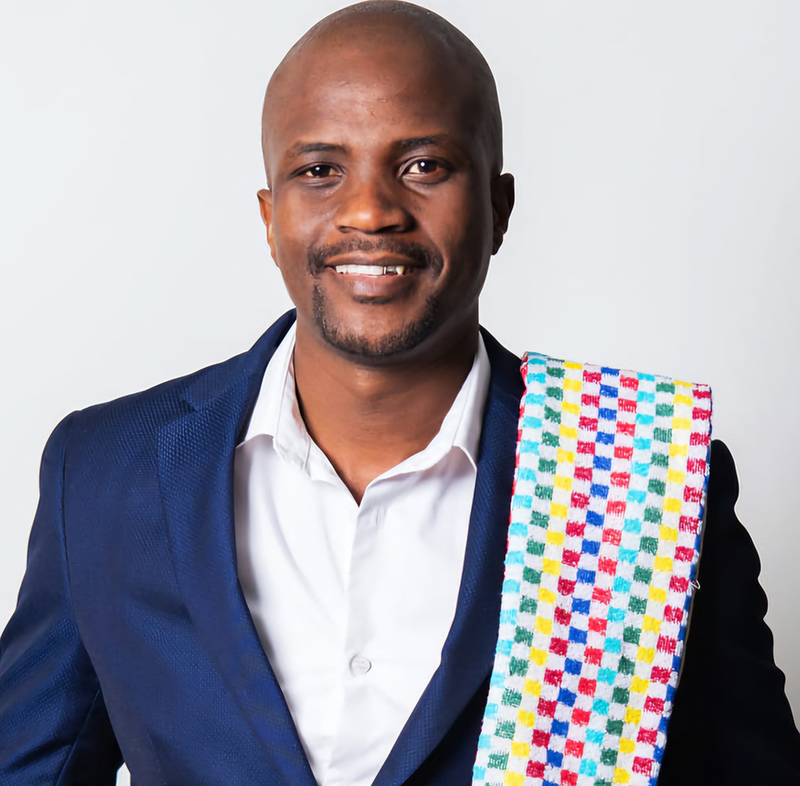
Prof. Thembinkosi Malevu


