
Hypertension is no longer only a concern for older people. It is affecting younger Africans, increasing the risk of kidney disease and heart complications, and demanding a shift from treatment to prevention. That was the central message delivered by Prof. Lebo Gafane-Matemane from the Faculty of Health Sciences during her inaugural lecture at the North-West University (NWU) on 30 June 2026.
In her address, titled “When biology meets context: RAAS, hypertension and the future of cardiorenal health in Africa”, Prof. Gafane-Matemane drew on more than a decade of research, arguing that Africa cannot rely solely on global models to address hypertension.
She said the continent requires research and treatment strategies that reflect its own populations, disease patterns and healthcare realities.
Calling for greater investment in early screening, kidney health monitoring and precision medicine, she warned that the burden of hypertension extends beyond high blood pressure to include chronic kidney disease, cardiovascular disease and growing economic costs.
"The face of hypertension is changing rapidly, and we should worry about the consequences such as kidney disease," Prof. Gafane-Matemane said.
African forms of hypertension respond differently
Her research focuses on the renin-angiotensin-aldosterone system (RAAS), a hormone system that regulates blood pressure, fluid balance and kidney function. Through studies conducted in South Africa, including the *SABPA, PURE and African-PREDICT studies, her work has shown that many Africans present with low-renin forms of hypertension, which respond differently to treatment than other forms of the disease.
Understanding these biological differences can improve patient care by allowing healthcare professionals to select treatments based on individual hormonal profiles rather than relying on a single approach for everyone.
Questions that need to be answered are "What does the RAAS mean for hypertension care in Africa?” and “What are the implications for cardiovascular disease and chronic kidney disease?". These questions will shape the future direction of her research, Prof. Gafane-Matemane said.
Better the laboratory
Beyond laboratory research, her address highlighted the importance of translating scientific knowledge into community action. She said research should not end with scientific publications but should lead to better healthcare, increased public awareness and earlier diagnosis.
"It is necessary to link knowledge generation with application," she said while presenting plans for the Cardio-Renal Health Research Initiative, which seeks to strengthen screening, prevention and collaborative research across Africa.
Looking ahead, she called for hypertension screening to begin earlier in life, including among children and young adults, with routine checks for early kidney damage alongside blood pressure monitoring. She also encouraged multidisciplinary collaboration, investment in biomarker research and partnerships across countries to improve cardiovascular and kidney health.
Reflecting on her academic journey, Prof. Gafane-Matemane said meaningful research begins by asking how science can improve people's lives.
"Focus on research that matters most not only to you but to those who would benefit from your work," she said, describing the principle that continues to guide her work.
*SABPA refers to the Sympathetic activity and Ambulatory Blood Pressure in Africans study, while PURE refers to the Prospective Urban Rural Epidemiology study and PREDICT to the African prospective study on the Early Detection and Identification of Cardiovascular disease and Hypertension.
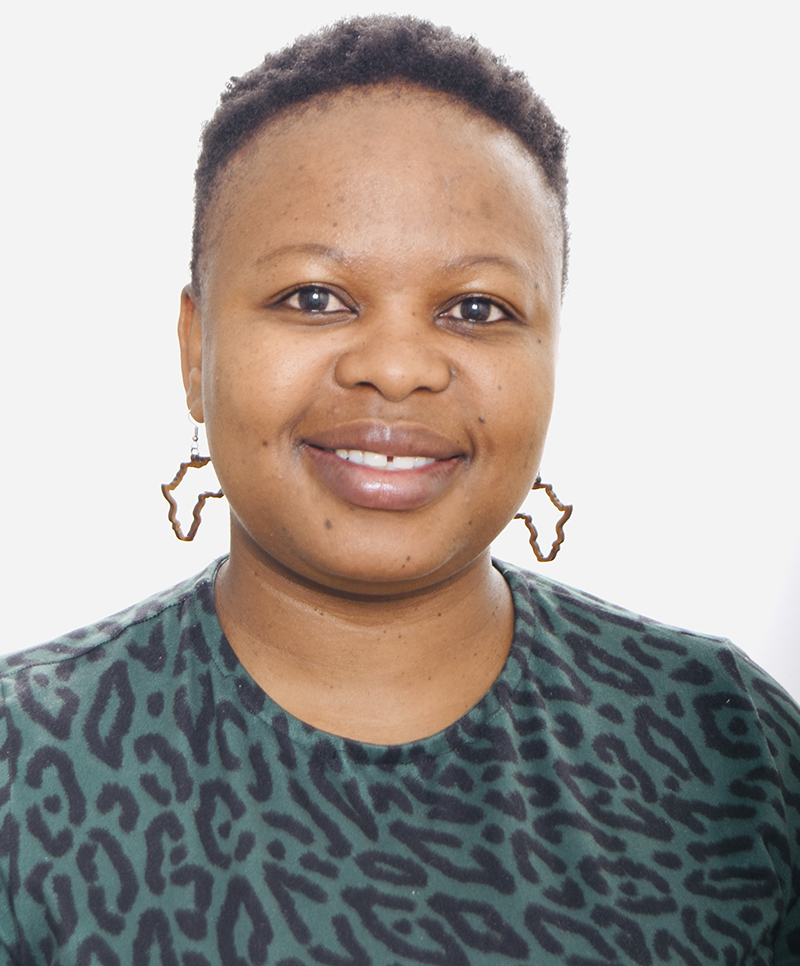
Prof. Lebo Gafane-Matemane.


