
South Africa went into its World Cup match against South Korea without Teboho Mokoena, and much of the national conversation focused on one question: Could Bafana Bafana cope without him?
They did. Bafana Bafana beat South Korea 1-0 and advanced to the Round of 32, a result that shifted the debate from individual absence to collective response.
For North-West University (NWU) football coach Nkululeko Malgas, the episode offered a reminder of what football still is, even in an era dominated by star names, endorsements and social media attention.
“Individual influence will always be there, but such individuals should be made to understand at all times that football is a team sport,” says coach Malgas. “If that is not addressed, it has a very bad impact that has destroyed a lot of individuals and teams.”
Major tournaments like the ongoing FIFA World Cup have become stages not only for countries but also for global icons. Argentina is often discussed through Lionel Messi, Portugal through Cristiano Ronaldo, France through Kylian Mbappé and Brazil through players such as Neymar and Vinícius Júnior. The trend has changed how supporters consume football, with attention often moving from national identity to individual brilliance.
Coach Malgas says commercial interests have played a major role in this shift.
“The impact of commercial endorsement has created that perception,” he says. “They became more focused on these individuals because that is how they sell their products, and that has forced us to focus on them more than their teams.”
He says the trend has affected the game because supporters, sponsors and media platforms often build stories around players who attract attention beyond the pitch.
The debate around Mokoena’s absence against South Korea showed how one player can become central to public expectations. Coach Malgas says whether a team becomes dependent on one player depends on the model created by the coach.
“It solely depends on the model that the coach has influenced,” coach Malgas says. “Coaches have to instil a ‘team first’ model.”
He says that the victory of Bafana Bafana without Mokoena was important because it showed that a team can respond when a key player is missing.
“It was a very good exercise for Bafana to win.”
For coaches working with young players, the lesson is clear: talent must be developed, but not at the expense of the team. Coach Malgas says players must be encouraged to express themselves while understanding that football rewards structure, discipline and collective effort.
The modern game will continue to produce stars. However, according to coach Malgas, the strongest teams are those that ensure individual talent serves the group, not the other way around.
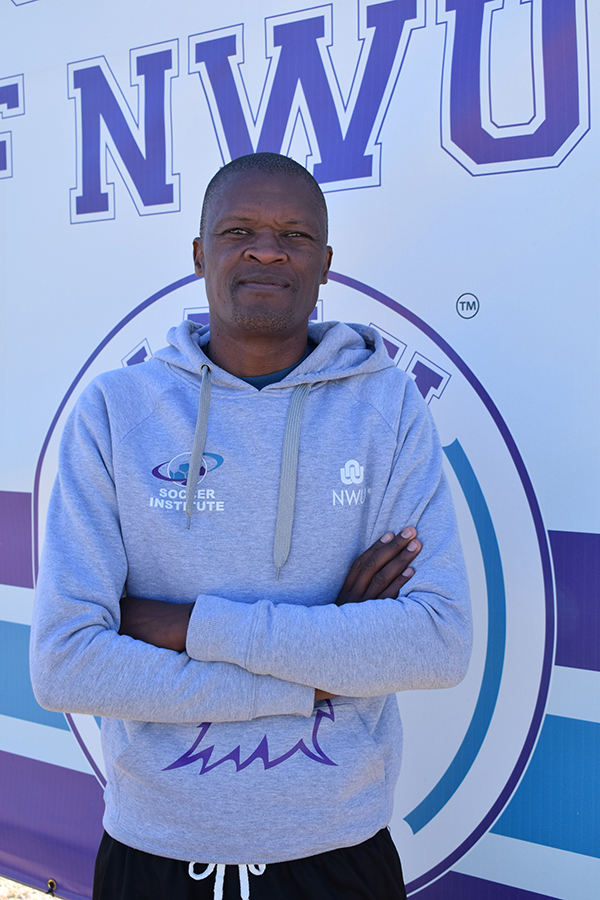
NWU football coach Nkululeko Malgas.


