
Transport is about more than moving people and goods. It connects communities to jobs, education and economic opportunities. This message took centre stage as the North-West University (NWU) brought together industry experts, government officials, traditional leaders and students to explore solutions to transport challenges and prepare young people for careers in the sector.
The university hosted its Transport and Logistics Expo at the Mahikeng Campus on 7 October 2026. Organised by the subject group Transport Economics and Logistics Management, the event aimed to strengthen ties between academia and industry, promote research and innovation and expose students to career opportunities.
Dr Joe Molete, deputy vice-chancellor for student life, transformation, people and culture with the assigned function of the Mahikeng Campus, welcomed the delegates and thanked industry partners for supporting the initiative.
He praised organisations such as the Council for Scientific and Industrial Research for travelling to Mahikeng and showing their commitment to student development.
Dr Molete said the NWU remained committed to producing graduates with the skills and knowledge needed to meet changing industry demands. He stressed that young people had an important role to play in finding solutions to transport challenges.
Rural transport challenges need urgent attention
Representing the traditional authority, Kgosi Phenyo Motshegare highlighted the impact of poor transport infrastructure on rural communities. He said damaged roads, limited public transport, high travel costs and safety concerns continued to affect people's daily lives. Heavy seasonal rains often make rural roads impassable. This prevents learners from reaching schools, delays the delivery of farm products to markets and makes it difficult for residents to access healthcare.
“This is not just about moving freight and people; it is about moving minds and transforming futures,” said Kgosi Motshegare. He urged the government, industry and academic institutions to work together to improve rural transport networks and create economic opportunities.
Kgosi Motshegare said better transport infrastructure could help close the gap between rural and urban communities, while supporting local businesses and economic growth.
Preparing students for careers in transport
Dr Olebogeng Ambrocius Baikgaki, senior lecturer and programme leader in Transport Economics and Logistics Management, highlighted challenges and opportunities in the provincial transport sector.
He discussed the difficulties facing the two airports in the province, including limited funding, high regulatory compliance costs and the lack of scheduled commercial flights.
Despite these challenges, he said private-sector investment and research could help improve airport operations and support economic development. Dr Baikgaki encouraged students to explore practical solutions through research and innovation.
He also outlined career opportunities in transport planning, public transport operations, taxi regulation, traffic law enforcement and civilian oversight. He advised students to research potential employers before attending job interviews. Understanding the work of an organisation, he said, could help candidates demonstrate their interest and readiness for employment.
The expo also featured an academic panel discussion on research, innovation and skills development. NWU Career Services hosted a session focusing on students and graduates, while cultural performances and appreciation awards formed part of the programme.
The event reinforced the importance of partnerships between universities, the government and industry in developing skilled graduates, improving transport systems and finding practical solutions to challenges facing communities.
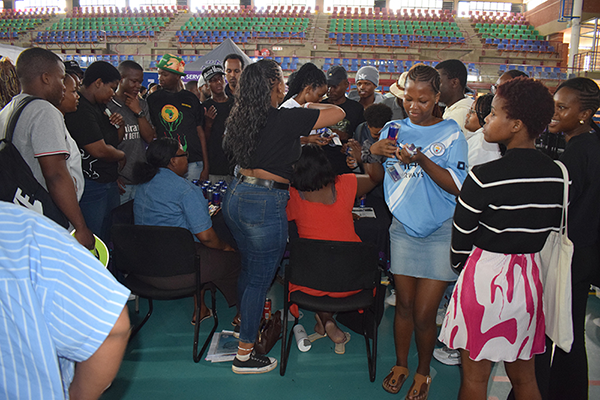
The Transport and Logistics Expo aimed to strengthen ties between academia and industry, promote research and innovation and expose students to career opportunities.


