
Lethabo Sebola is carrying the weight of a mission far bigger than himself – fighting to rescue young men from hopelessness, crime, depression and social neglect.
Lethabo is a student at the North-West University’s (NWU’s) Vanderbijlpark Campus, where he is currently pursuing an honours degree in industrial psychology. He is also the founder of Pick A Brother Up (PBU), a non-profit organisation established in 2021 with a vision to address the silent struggles faced by young men in South Africa.
What began as informal conversations among friends has since grown into a structured organisation focused on mentorship, motivation and psychosocial support for young men who often feel excluded from mainstream development programmes.
Lethabo says the idea was born out of what he observed to be a growing crisis among young men in communities.
“We saw young men losing hope every day. Some were ending up on the streets, some were turning to crime, and others were suffering in silence because society expects men to always be strong,” he says.
He added that one of the biggest challenges facing young men is the expectation to suppress emotions, even in the face of hardship.
“We realised that men are always told to be strong, to never cry, to never speak about what they are going through. But nobody asks what happens when they are actually struggling,” Lethabo explains.
National and global data reflects the urgency behind such concerns. According to Statistics South Africa labour force surveys, youth unemployment remains above 40%, with young men in disadvantaged communities being disproportionately affected. In addition, global estimates from the World Health Organisation indicate that men account for nearly 75% of suicide-related deaths worldwide, highlighting a broader mental-health crisis affecting males.
Lethabo believes these figures are not just statistics, but a reflection of lived realities in communities.
“When you look at the numbers, they tell a story of young men who are not just unemployed, but emotionally and socially unsupported,” he says.
Pick A Brother Up aims to address these challenges by creating safe spaces for mentorship, personal development and emotional support. The organisation operates under a formal constitution, with structured governance, accountability systems and clearly defined objectives.
Its primary goal is to provide motivation and upliftment to young men, while its secondary objective is to support their transition from adolescence into responsible adulthood.
Lethabo says his academic journey has deepened his understanding of human behaviour and the psychological factors influencing youth development.
“My studies have shown me that behaviour is shaped by environment, trauma and opportunity. Many young men are not lost causes – they are simply products of systems that have failed to support them,” he says.
Beyond personal development, PBU also seeks to challenge societal stereotypes that portray men as inherently violent or emotionally detached.
“We are trying to change the narrative that young men are problems. Many of them are struggling with pain, unemployment and lack of guidance.”
While the organisation is still growing, Sebola’s vision extends far beyond the borders of South Africa.
“The biggest vision is to see Pick A Brother Up become an international movement, like the ‘Take a Girl Child to Work’ initiative,” he says.
“We want this to be a global platform where young men are mentored, supported and guided through structured programmes in schools, universities and communities.”
He adds that the long-term impact of neglecting young men is already visible in society, from rising crime rates to broken families and mental-health challenges.
“When a young man is lost, the impact is not individual – it is generational.”
As Pick A Brother Up continues to develop within the NWU community and beyond, Lethabo remains committed to building what he describes as a “restoration movement” for young men.
In a world where male vulnerability is often overlooked, his message is simple: young men deserve support, guidance and the opportunity to thrive.
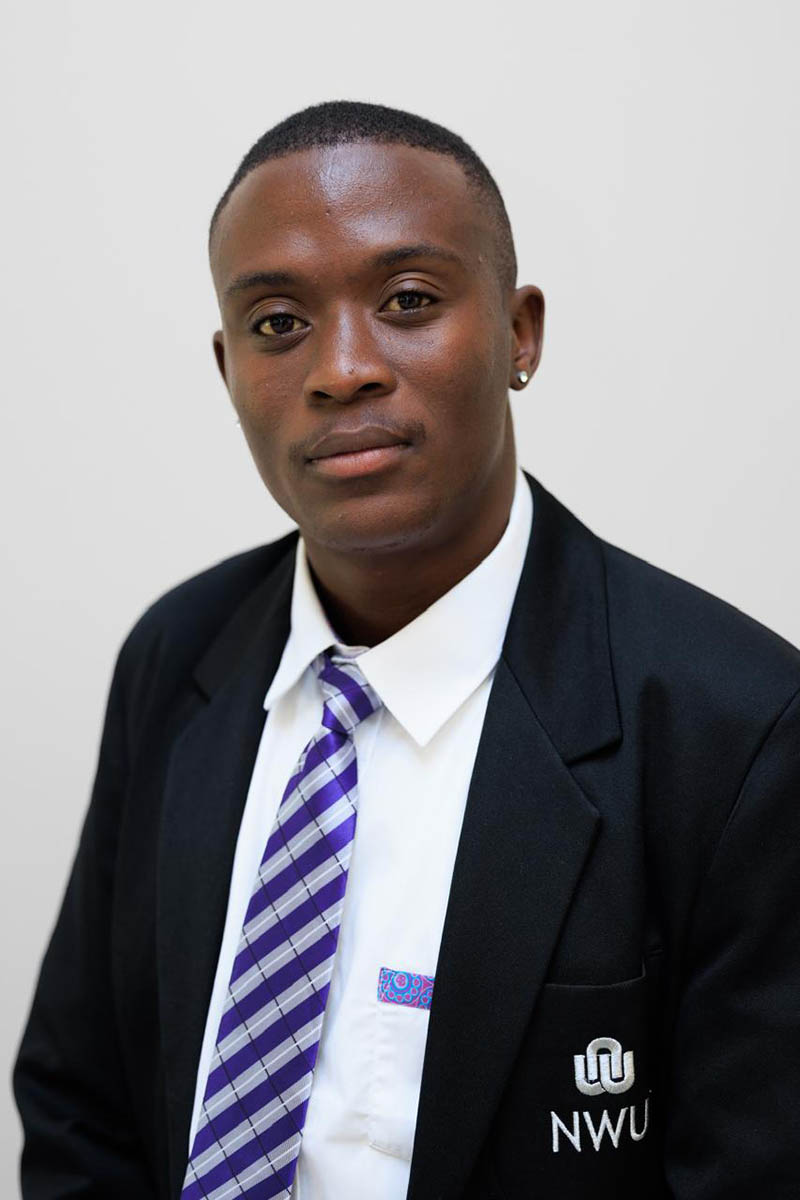
Lethabo Sebola


