
In the year the Kruger National Park turned 100, travellers voted South Africa the world’s most desirable destination for nature and wildlife. For North-West University (NWU) tourism expert and Deputy Dean: Teaching and Learning in the Faculty of Economic and Management Sciences, Prof. Elmarie Slabbert, the award raises a question for South Africa. How can the country turn that international attention into jobs in rural communities and give more of its own residents a chance to experience the places travellers come here to see?
South Africa took gold at the 2026 Wanderlust Reader Travel Awards in London, ahead of Brazil and Australia. More than 251 000 readers cast over 8.2 million votes across all categories.
“South Africa is known as a world in one country, and winning the Wanderlust Award for the World’s Most Desirable Nature and Wildlife Destination attests to this,” Slabbert says. “The international travellers spoke!”
What brings visitors back
“One of our strongest attractions and selling points remains our nature and wildlife experiences, but what adds value is the people who offer them,” she says.
“Wildlife and nature always offer experiences that can never be repeated, which ensures people visit South Africa again. This in itself is a competitive advantage. The experience is ‘alive’, the feelings are real and the memories are forever. Nature always promises a few surprises that enrich the experience.”
The variety is part of the draw. Visitors can choose from desert landscapes, subtropical wetlands, mountain wilderness, forests and savannahs, with African sunsets, spectacular floral displays and a wide variety of wildlife. Slabbert says travel forecasts point to growing interest in nature-based activities as people look for a break from busy schedules.
“We are living in a digitalised world, and when visitors can still appreciate the importance of nature and wildlife, it gives hope.”
Turning recognition into rural jobs
Slabbert says the award could make South Africa more competitive by drawing attention to what it offers. If that brings more visitors into the country, it could also create jobs in the rural areas where many of these experiences are offered.
“Our rural areas offer these nature experiences, and creating opportunities here will motivate young people to stay, work here and contribute to economic growth,” she says. “The opportunities in rural areas are endless, but residents need support and mentorship to create experiences that will attract visitors.”
Making parks more accessible to South Africans
Slabbert says the international recognition should also prompt a closer look at how often South Africans get to experience their own parks and wildlife. She points to SANParks’ free-access week as one initiative that opens the gates to more residents and says more can be done.
“We can only appreciate, value and protect resources that we experience first-hand,” she says. “Nature is an economic asset that needs to be managed sustainably. We do not need to manufacture this experience. We need to protect, develop and market it responsibly.”
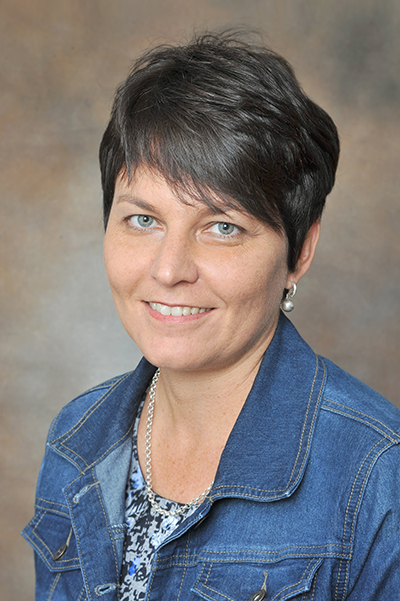
Prof. Elmarie Slabbert


