
A new initiative by the North-West University (NWU) is ensuring that staff and students have access to drinking water of the highest quality across its campuses. Through the university's Waterwise Project, the Mahikeng Campus has become the first to achieve this milestone, with every tap now delivering clean, safe drinking water that meets South Africa's national standards. The Vanderbijlpark Campus is expected to reach the same milestone by mid-September this year, followed by the Potchefstroom Campus at a later stage.
The achievement follows years of investment in upgrading ageing water infrastructure across the university, including the replacement of old water pipelines and the installation of advanced water treatment systems to ensure a reliable supply of safe, high-quality drinking water.
Old water lines are being replaced, new storage capacity is being added and advanced treatment plants are being installed to ensure that every tap on the campuses provides safe drinking water while strengthening the university's resilience against municipal water supply interruptions.
Drink a toast – of tap water – to this milestone
The latest development marks the transition of the Waterwise Project from infrastructure construction to daily operation. "The full system is now operational on the Mahikeng Campus, and the ultimate goal is that water from any campus tap at the NWU should be safe to drink directly,” says Pieter van Heerden, technical civil specialist from Infrastructure Design and Construction.
The Waterwise Project has been introduced across all NWU campuses to promote responsible water management while improving the reliability and quality of water supplied to the university community. One of its core objectives has been replacing dilapidated pipelines and removing outdated reticulation systems, a process that has required phased implementation to avoid disrupting campus operations.
Certified safe
The treated water complies fully with the South African National Standard (SANS 241) for drinking water, covering microbiological, chemical, aesthetic and operational risks. The treatment plants were installed by specialist contractors, while campus maintenance teams have received training to operate and maintain the systems.
Pieter says public confidence remains central to the project's success.
"We have implemented rigorous testing and monitoring protocols to ensure continuous compliance with SANS 241. Water quality results will be shared with the university community, providing transparency and reinforcing confidence in the Waterwise system."
Beyond producing safe drinking water, the project also separates treated drinking water from irrigation water, allowing more efficient distribution across campuses. Expanded water storage capacity will enable campuses to continue operating for at least 24 hours during major municipal supply interruptions.
Sustainable, reliable and safe
As the other campuses complete the project, the university plans to expand awareness campaigns encouraging students and staff to make use of the treated water available on campus.
"The Waterwise Project represents a significant step towards providing sustainable, reliable and safe water solutions while reducing costs for our students and staff," says Pieter. "We remain committed to keeping the NWU community informed as these benefits are extended across all our campuses."
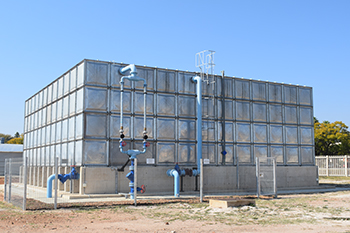
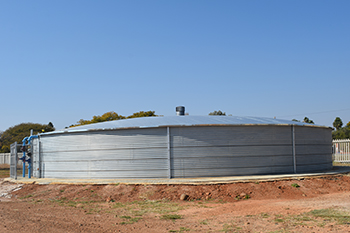
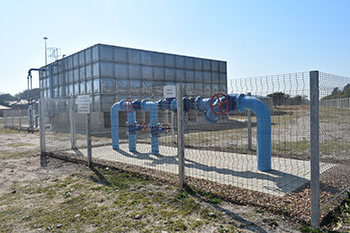
The NWU’s Waterwise Project has entered a new phase, with treated drinking water now available throughout the Mahikeng Campus. The Vanderbijlpark and Potchefstroom campuses are expected to follow in the next few months.


