
The North-West University’s Ikateleng programme is expanding into Rustenburg’s platinum belt, helping to build a pipeline of future engineers and mining professionals from local schools.
.jpeg)
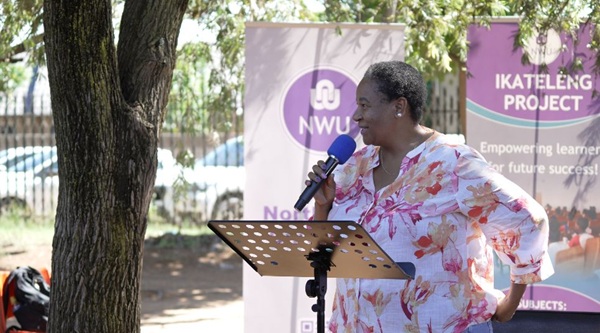
It is just past 09:00 on a bright, already hot Saturday morning on 7 March, and there is an unusual bustle of activity on 3257 Lesedi Street in the Tlhabane township just outside Rustenburg.
“What is happening here today?” a man in a light grey suit asks.
Rows of cars are parked next to HF Tlou Secondary School, and inside the premises learners and their parents are waiting in anticipation: Today their futures begin.
The North-West University (NWU) recently opened its newest Ikateleng centre – hosted by HF Tlou Secondary School – which is the second Ikateleng centre in the Bojanala Platinum District Municipality, the other being in Mooinooi.
The NWU Ikateleng Project is a community engagement initiative that has been running for almost 40 years and supports mathematics and science education in rural and township schools. The programme provides extra teaching, mentorship and learning resources to help learners improve their academic performance and access university opportunities.
The name “Ikateleng” comes from Setswana and means “empower yourself”, reflecting the project’s focus on empowerment through education.
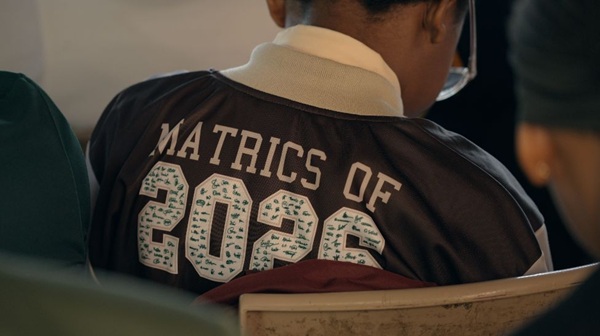
On this particular Saturday, 220 learners from Grade 10 to 12 from schools identified by the Department of Education, and their parents gathered for the official opening of the centre and to register. For 21 Saturdays throughout the year, they will return to the school to hone their skills in the STEM fields (Science, Technology, Engineering and Mathematics) that our country desperately needs.
There is also a greater purpose to the NWU’s Ikateleng mission in the Bojanala district. The university is in the process of establishing a School of Mines and Mining Engineering which will be based in the Rustenburg region to support South Africa’s evolving mining sector.
Located in the heart of the platinum belt, the School will focus on critical minerals, smart mining technologies and sustainable practices, while strengthening partnerships with industry and research bodies to develop future ready graduates and advance responsible mining innovation. This is also the ecosystem wherein the NWU Centre for Sustainable Mining operates.
The aim of this latest centre, as well as the one in Mooinooi, is to build a strong and sustainable student pipeline to support both undergraduate and postgraduate programmes within the School. A key component of this strategy is ensuring that sufficient feeder schools and learners, particularly those meeting the Mathematics and Physical Sciences requirements, are available within the Rustenburg region. This initiative will strengthen the pathway from local schools into mining and engineering studies.
In doing so, the programme will help ensure that young people from mining communities in the North West province are equipped with the skills needed to participate in and lead the future of the sector. Over time, this will contribute to a more skilled workforce, safer mining practices and greater economic resilience in the province, while strengthening South Africa’s position in the global minerals economy.
The schools that will participate in the Rustenburg Ikateleng initiatives are situated close to the platinum belt around Rustenburg, meaning schools like these and others in the greater Rustenburg area are directly linked to the skills pipeline for the mining and engineering sector.
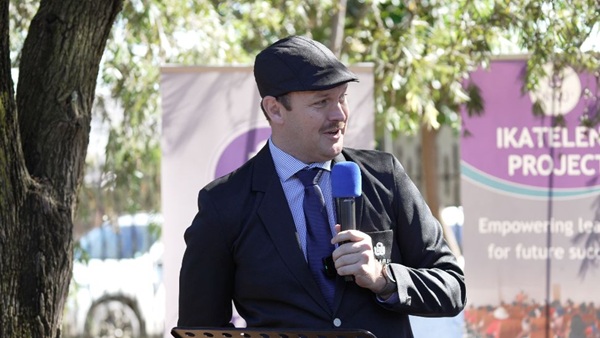
Jean-Marc Stidworthy, the NWU’s director of Marketing and Student Recruitment, underlined this purpose when he said:
“Today we are not simply hosting a registration event and opening a new centre. We are opening a pathway of opportunity.
While the North-West University and our partners support the programme, the real success of this centre will depend on the learners who attend it and put in the effort, the teachers who guide them, the parents who encourage their children, and the community that surrounds them.
Centres like this succeed when communities take ownership of the opportunity.
None of us succeed alone. At some point in our lives someone believes in us before we fully believe in ourselves. Someone gives us support. Someone gives us guidance. Someone gives us an opportunity.
Programmes like Ikateleng provide additional teaching, mentorship and guidance that help learners strengthen their understanding in key subjects like mathematics and science.”
The school itself carries the legacy of education in the Rustenburg community. It is named after H. F. Tlou, a revered educator and community leader who played a central role in building educational opportunities in the area. In many ways, the opening of the Ikateleng centre continues that legacy of investing in the futures of young people in this community.
“What is happening here today,” one attendee asked. The memory of H.F. Tlou and so many other educators who dedicated their lives to securing the futures of the children in their communities is being remembered, is being honoured and is being carried forward.
As Stidworthy concluded in his opening address:
“Potential alone is not enough. Potential needs opportunity. Potential needs support. Potential needs belief. That is what today is about.”


