South Africa's most recent employment statistics present a dismal image in a nation where millions of people wake up every morning yearning for a chance to work.
The official unemployment rate has increased to 32.7%, according to the most recent Quarterly Labour Force Survey (QLFS) for the first quarter of 2026. This means that almost one in three South Africans who are economically active are unemployed. Approximately 8.1 million people are unemployed overall, and the expanded unemployment rate which takes discouraged job seekers into account has risen to an alarming 43.7%.
These numbers capture the everyday struggles of millions of South Africans, especially women, young people, and members of historically underprivileged areas, who still encounter major obstacles to economic engagement.
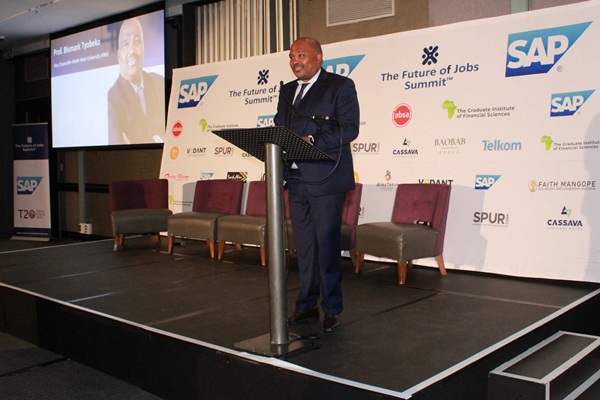
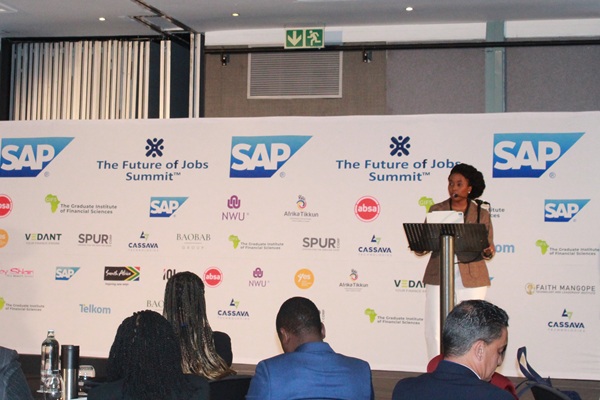
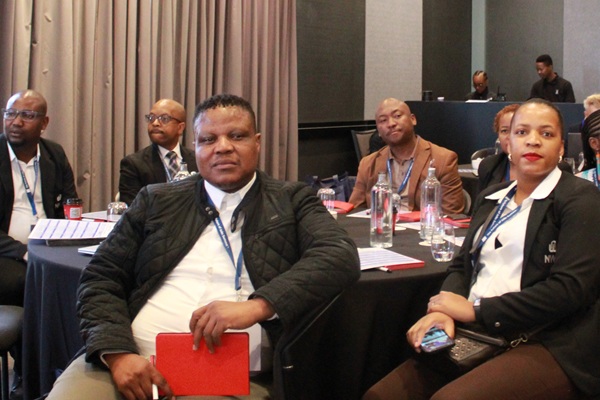
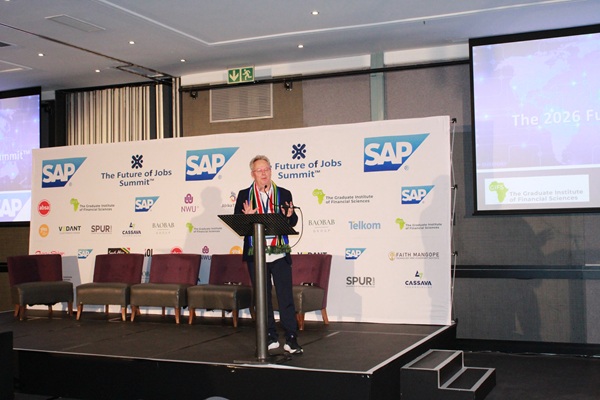
Yet amid these challenges, initiatives such as The 2026 Future of Jobs Summit, held on 28 May in Sandton, provide some hope despite these difficulties. By bringing together business leaders, employers and skills-development stakeholders, the summit is helping to create pathways to employment, innovation and meaningful careers. Such cooperation is a powerful reminder that one of South Africa's most effective strategies for combating unemployment is still collective action. " We cannot leave the future of employment up to chance. To make sure that young people are not only equipped for the occupations of the future but also have the power to create their own opportunities, education, business, and government must intentionally work together. The Future of Jobs Summit exists to bring those conversations and commitments together in one room, because South Africa's greatest asset remains its people," said Dr Nik Eberl, founder of The Future Leader Forum and convenor of the Future of Jobs Summit.
Among the voices contributing to this conversation was North-West University’s (NWU) Principal and Vice-Chancellor, Prof. Bismark Tyobeka, who delivered a keynote address focused on the critical role universities must play in preparing young people for a rapidly changing world of work.
Prof. Tyobeka stressed that the role of universities extends far beyond the classroom. While qualifications remain important, institutions of higher learning must also empower students with the skills, opportunities and confidence needed to become innovators, entrepreneurs and active contributors to society.
“Our generation will be judged not by how accurately we describe unemployment, but by whether we create scalable solutions that change lives,” said Prof. Tyobeka. “NWU’s
response is to redesign itself around jobs, innovation and meaningful economic participation.”
He noted that South Africa's unemployment challenge cannot be viewed in isolation from the global forces transforming the workplace. As artificial intelligence, automation and green industries reshape economies around the world, he said universities have a critical responsibility to ensure graduates leave with the skills, resilience and entrepreneurial thinking needed for the jobs of the future.
Central to his address was the role of NWU in responding to South Africa's employment challenges.
Through its strategy, Taking North-West University Forward: 2024 and Beyond, NWU is positioning itself as an innovative and globally connected African university. The institution is also investing in new academic programmes aimed at addressing national skills shortages.
Prof. Tyobeka highlighted how NWU is deliberately building global partnerships that connect students and researchers to international networks, advanced scientific infrastructure and innovative ecosystems across continents. These collaborations are focused on sectors that are critical to future economic growth, including mining, energy, agriculture, public health and advanced scientific research.
At the same time, the university continues to invest in initiatives that directly address local and national development priorities. These include the establishment of the Desmond Tutu School of Medicine, which will prioritise local students in an effort to help address South Africa's shortage of medical professionals. NWU is also developing a new veterinary school and Agri Hub to strengthen food security and agricultural innovation. In Rustenburg, plans are underway for a School of Mines and Mining Engineering, designed to develop local talent and support beneficiation within the mining sector.
Through these initiatives, the university is ensuring that education remains relevant to the needs of industry while opening doors for graduates to contribute to economic growth and development in their communities and beyond.
Entrepreneurship and innovation also feature prominently in NWU's vision for the future. Through North-West University Enterprises, the institution is strengthening research commercialisation, enterprise development and industry collaboration. The university's entrepreneurship ecosystem brings together faculties, innovation hubs, incubation platforms and industry partners to create opportunities for students to transform ideas into viable businesses, access mentorship and funding, and contribute to economic growth through innovation.
Recognising that no single institution can solve the unemployment crisis alone, Prof. Tyobeka emphasised the importance of meaningful partnerships between universities, government and the private sector. Such collaborations are essential for expanding student support, increasing access to internships and creating stronger pathways into employment.
He further reflected on the transformative power of higher education, particularly for first-generation university students, noting its potential to break cycles of poverty and create lasting generational change. “For many young South Africans, access to quality education remains one of the most powerful tools for achieving social and economic mobility,” he said.
Despite the scale of the challenges facing the country, Prof. Tyobeka expressed confidence in South Africa's future. He pointed to the resilience, creativity and ambition of the country's youth as reasons for optimism and called for bold, strategic investment in their development.
The future, he argued, depends on empowering young people to become innovators, entrepreneurs and leaders capable of driving sustainable economic growth and social progress.