
From traditional food and colourful attire to music, dance and art, culture took centre stage across the North-West University (NWU) as students and staff celebrated the diversity that shapes its community.
The 2026 Culture Integration Day celebrations at the Mahikeng, Potchefstroom and Vanderbijlpark campuses brought the university’s “One NWU” spirit to life. Held under the theme “One NWU: connected by values, driven by purpose”, the celebrations used culture to promote inclusion, learning and a stronger sense of belonging.
At the Mahikeng Campus, students and staff gathered at the Soccer Institute field on 18 September. They explored different cultures through food, traditional attire, music, performances and cultural stalls.
The programme showcased 12 South African as well as international cultures. Residences, faculties and support departments took part.
Dr Joe Molete, deputy vice-chancellor for student life, transformation, people and culture with the assigned function of the Mahikeng Campus, said diversity strengthened the university community.
“This is an opportunity for all of us to celebrate the diversity of this campus. We come from different cultural backgrounds, but we are all part of this university,” he said.
Mahikeng Campus chief director Jim Molautsi said the celebration created an important space for people to connect.
“We are here to celebrate the different cultures that make up our Mahikeng Campus. This event brings students and staff together to share and learn from one another through cultural stalls, food and traditional attire,” he said.
Popular South African group Mafikizolo added to the festivities with a performance. The day also featured friendly competition. Hope Litsha Residence took first place, followed by Khayalethu Residence. Harmony Heights Residence won Best Stall Presentation and Best Traditional Meal, while Dr Nelson Mandela Residence received the Best Performance award.
At the Vanderbijlpark Campus, more than 2 000 students and staff joined the celebrations. Thirty teams from faculties, departments, residences and student societies took part.
Teams explored local and international cultures through food, fashion, music and dance. The Trendy-Trash competition also challenged participants to create designs from recyclable materials. Teams had to include all seven NWU values in their presentations.
Lethiwe Kubheka, arts manager on the Vanderbijlpark Campus and event organiser, said culture has the power to connect people.
“Culture can bring people together in ways that traditional institutional structures sometimes cannot. This initiative allowed students and staff to experience diversity, creativity and the NWU values together, not simply as concepts, but as a shared experience.”
Bad weather forced organisers to move the programme indoors to Tsebonokeng Hall, but this did little to dampen the mood. The hall became a colourful meeting place where 11 local and 30 international cultures were represented.
Student Academic Lifecycle Administration, Student Life, and the Unit for Continuing Education and IT were the overall winners in the staff category. Kumba, Vhutshilo vha Ndzalo, and Voices of the River took the leading positions in the student category.
At the Potchefstroom Campus, colour, music and dance filled the Amphitheatre and Lovers’ Lane as students and staff celebrated their cultures, traditions and heritage.
Cultural attire turned the campus into a display of the different identities that form part of the NWU community. The programme included singing, dancing, games and spoken-word performances.
The Amphitheatre became the centre of the celebrations. Setswana dancing got the crowd moving, while the NWU Serenaders entertained the audience. Arts societies also set up colourful exhibition booths representing different countries and cultures and shared their talents through performances.
At Lovers Lane and in front of the Ferdinand Postma Library, students took part in traditional games and other cultural activities.
The NWU Gallery added a strong artistic element to the programme by paying homage to renowned South African artist Mme Esther Mahlangu and the rich visual traditions of isiNdebele culture.
Staff member Darylene Makuku, who delivered a spoken-word performance, said Culture Integration Day gave people an opportunity to celebrate their roots while learning from others.
“It is beautiful that we have a day like this where we can showcase our roots and our culture. It gives us an opportunity to share who we are, where we come from and to learn about the cultures of those around us,” she said.
Across all three campuses, the celebrations shared one message: diversity becomes more meaningful when people have opportunities to experience it together. Through food, languages, art, music, traditions and stories, students and staff learnt more about one another while strengthening the connections that make them part of One NWU.
Photos: Students and staff at the NWU’s Mahikeng, Potchefstroom and Vanderbijlpark campuses celebrate cultural diversity through traditional attire, food, art, music, dance and performances during the 2026 Culture Integration Day celebrations.
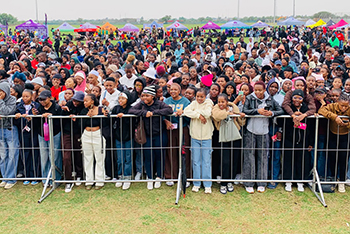
Mahikeng campus
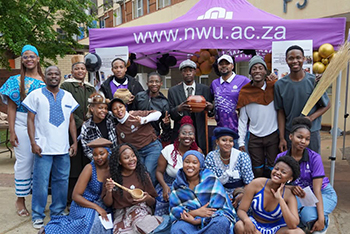
Potchefstroom campus
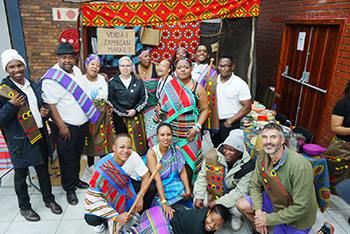
Vanderbijlpark campus


