
Around the world, up to 90% of people living with mobility disabilities are unable to afford advanced prosthetic devices. A team from the North-West University (NWU) is demonstrating that when it comes to prosthetic devices, affordability and performance can go together.
The Beyond Limits initiative, led by engineering lecturer Ian Thomson, has grown into a multidisciplinary platform for students, researchers, clinicians, prosthetists and industry partners, all working to bring low-cost, high-performance prosthetic devices to those who need them.
The initiative has gained global exposure in the past two years since Ian and his team first showcased a low-cost, microprocessor-controlled prosthetic knee at the 2024 Cybathlon event, competing against well-funded international teams and demonstrating that affordability and performance can coexist.
Inspired by personal experience
The project’s origins are rooted in Ian’s personal experience. After losing his leg in a motorcycling accident at the age of 16, he developed a deep interest in how prosthetic devices function and could be improved. That curiosity, combined with his engineering background, led to the creation of Beyond Limits, an initiative focused on practical solutions for people in resource-constrained environments.
Many of its innovations are driven through final-year and postgraduate projects, allowing engineering and movement science students to contribute directly to real-world problem-solving while advancing research.
So far, the team has developed mechanical prosthetic hand and knee prototypes that are currently being tested and refined, prioritising durability, ease of maintenance and scalability.
“Our designs focus on using locally available materials and simplified systems,” Ian says. “The aim is to ensure that these devices are not only affordable to acquire but sustainable to use over time.”
Collaboration with clinicians, prosthetists and industry partners has further strengthened the initiative, ensuring that its designs remain user-centred and clinically relevant. This approach is helping to bridge the gap between academic research and practical healthcare solutions.
Looking ahead, Beyond Limits aims to expand its impact by strengthening local manufacturing capabilities and improving access to assistive devices across South Africa. With ambitions to serve as a leading hub for assistive technology innovation on the continent, the initiative is working to develop scalable solutions that restore mobility and support independence for people living with disabilities.
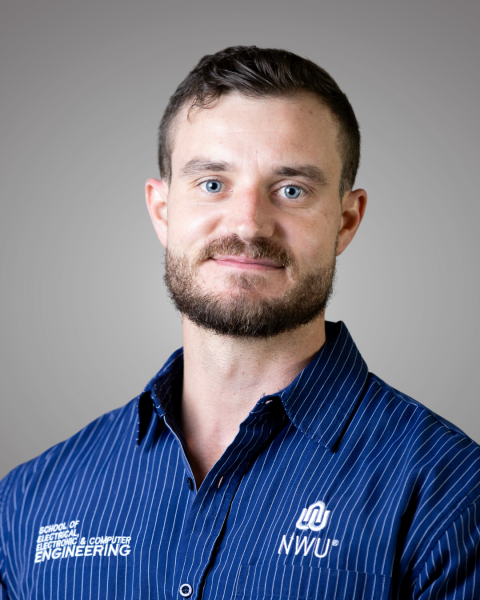
Ian Thompson


