
The North-West University (NWU), led by the deputy vice-chancellor for student life, people and culture and transformation, Dr Joe Molete, joined traditional leaders, community members and cultural practitioners at the ninth annual Tholo Ikitse Cultural Festival, held at the Kgotla of the Barolong Boo Motshegare in Lokaleng Village on Saturday, 17 October 2026.
The annual festival brought together people from across South Africa and neighbouring Botswana to celebrate the Setswana culture, preserve indigenous knowledge and strengthen cultural identity. The gathering this year also highlighted the urgent need to confront gender-based violence (GBV), a challenge affecting communities throughout the country.
Preserving culture and confronting GBV
Speaking at the main event, Kgosi Phenyo Motshegare, founder of the Tholo Ikitse Cultural Festival, emphasised the importance of understanding one’s cultural roots and preserving traditions for future generations. This year, he dedicated the festival to the fight against GBV, highlighting the importance of using cultural platforms to encourage awareness, responsibility and positive change in communities.
The festival programme began on Friday evening with Mollo wa Kgotla, a traditional gathering that provided a platform for young people to learn about Setswana customs and responsibilities associated with raising a boy child, marriage and funeral processes. The engagement created an opportunity for intergenerational knowledge-sharing, allowing young people to learn from elders about cultural practices, family responsibilities and the values that underpin community life. Through these discussions, the Tholo Ikitse festival reaffirmed its role as a platform for cultural education, dialogue and the transmission of indigenous knowledge.
NWU calls for stronger university-community partnerships
Addressing the gathering, Dr Molete highlighted the ongoing engagement of the NWU with traditional leaders and communities through various university structures and directorates, including the Indigenous Knowledge Systems (IKS) Centre, the Law Clinic and Animal Health.
He emphasised that, as the only university in North West, the NWU has an important responsibility to work closely with traditional leaders and communities to address local challenges through research, knowledge-sharing and community engagement. Dr Molete encouraged traditional leaders to strengthen their partnerships with the university, noting that collaboration could help identify community needs and develop practical, evidence-based responses.
He further underscored the importance of partnerships that bring together academic expertise and indigenous knowledge, ensuring that community experiences and traditional perspectives contribute meaningfully to research and development initiatives.
For the NWU, such engagements provide opportunities to strengthen relationships with traditional institutions, while advancing its commitment to serving society and contributing to the development of the province.
A celebration of culture and community
The festival attracted a diverse audience, including traditional leaders and community members from Botswana, the Northern Cape and other parts of South Africa.
Among the dignitaries who attended were the Mahikeng Local Municipality mayor, Councillor Tshepiso Mphehlo; the MEC for the Department of Economic Development, Environment, Conservation and Tourism, Bitsa Lenkopane, and the MEC for Arts, Culture, Sports and Recreation, Wessels Morweng.
The programme also celebrated the richness and diversity of cultural expression through performances by artists and cultural groups, including Dikakapa, Monnamogolo wa Thulaganyo, Nomtiti, Hube and Keitumetse Mangate, alongside local cultural groups.
Their performances brought music, dance and traditional expression to the gathering, creating a vibrant atmosphere that celebrated the living heritage of the Setswana-speaking people and the wider cultural community. The participation of artists from Botswana further demonstrated the ability of the festival to strengthen cultural connections across national borders.
Keeping indigenous knowledge alive
The ninth Tholo Ikitse Cultural Festival reaffirmed the importance of preserving cultural practices while creating spaces for dialogue on contemporary social challenges. For the NWU, participation in the festival reflects the value of working alongside traditional leaders as partners in cultural preservation, research and community development.
By strengthening relationships with traditional institutions and supporting initiatives that promote indigenous knowledge, the university continues to advance its role as a partner in building informed, connected and resilient communities across North West.
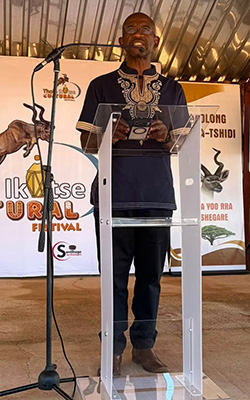
Dr Joe Molete, deputy vice-chancellor for student life, people and culture and transformation, delivers a message of support.
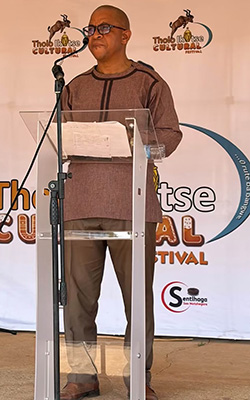
Kgosi Phenyo Motshegare, founder of the Tholo Ikitse Cultural Festival
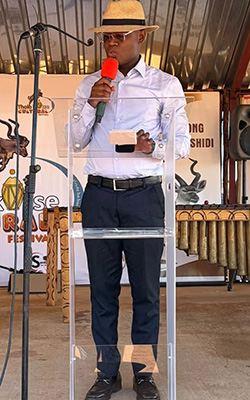
Councillor Tshepiso Mphehlo, Mahikeng Local Municipality mayor
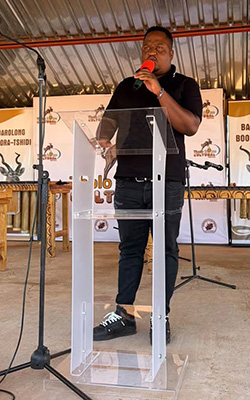
Wessels Morweng, MEC for Arts, Culture, Sports and Recreation
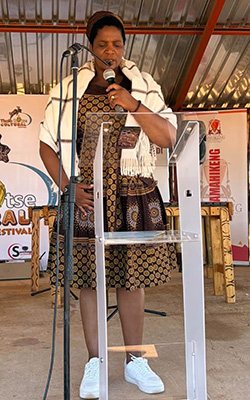
Bitsa Lenkopane, MEC for the Department of Economic Development, Environment, Conservation and Tourism


