
Cystic fibrosis can be a life-altering and potentially fatal disease, but early detection through newborn screening can dramatically improve outcomes. The North-West University (NWU) houses the Centre for Human Metabolomics, a diagnostic laboratory uniquely offering cystic fibrosis newborn screening services to the South African public.
Cystic fibrosis is an inherited genetic disease that causes the body to produce thick mucus that can clog the lungs, leading to repeated infections and breathing difficulties.
For children born with cystic fibrosis, timing can make all the difference. According to Prof. Ilse du Preez, Acting Director of the Centre for Human Metabolomics in the Faculty of Health Sciences at the NWU, early diagnosis remains one of the most important factors in improving long-term outcomes.
"Even though treatment for cystic fibrosis has improved tremendously in recent years, early diagnosis is still absolutely critical," says Prof. du Preez.
"Cystic fibrosis is a condition that starts affecting the body very early in life, especially the lungs and digestive system, and damage can begin before a baby even shows obvious symptoms."
"Children who are diagnosed early generally grow better, stay healthier for longer, and have a much better quality of life."
"The newer therapies available for cystic fibrosis are very exciting, but they work best when treatment starts early, ideally before permanent damage has occurred."
Unique in South Africa
"What makes the North-West University's Centre for Human Metabolomics unique is that we combine diagnostic testing with advanced research expertise under one platform," says Prof. du Preez.
Through hosting the National Metabolomics Platform, the Centre brings together specialists in pathology, genetics and metabolomics to improve the detection and understanding of rare diseases such as cystic fibrosis.
"Much of the international data and many genetic testing approaches were originally developed using European populations, but South Africa has very diverse genetic backgrounds. That means we need locally informed research and diagnostic approaches."
The cost of delayed diagnosis
Without treatment, the consequences can be severe.
"Without treatment, children with cystic fibrosis often develop repeated chest infections, poor weight gain, digestive problems, and ongoing inflammation in the lungs," says Prof du Preez.
"Over time, this can lead to permanent lung damage and other serious complications."
"Children diagnosed late are more likely to need hospitalisation and may already have significant organ damage by the time treatment begins."
"Many parents spend months or even years trying to understand why their child is constantly unwell before finally getting answers. Early screening helps avoid that uncertainty and allows families to access the right care much sooner."
How newborn screening works
Newborn screening begins with a simple heel-prick blood sample taken within the first few days after birth.
"It is important to understand that this is a screening test, which means it is intended for all newborns — not only babies who show symptoms or have a family history of disease," Prof. du Preez explains.
"The blood sample is tested for markers that may suggest cystic fibrosis, but at the same time, the screening panel also checks for 21 other serious inherited metabolic disorders."
An abnormal result does not automatically mean a baby has cystic fibrosis.
"It simply means that further testing is needed to confirm or rule out the condition. This may include repeat blood tests, genetic testing, and a sweat test, which remains the standard confirmatory test for CF."
"The main aim of newborn screening is to identify affected children before serious complications develop, giving them the best possible start to life."
Challenges remain
Despite advances in diagnosis and treatment, significant barriers remain.
"One of the biggest challenges is unequal access to specialised healthcare services," says Prof. du Preez.
"In many parts of South Africa, particularly in rural areas, access to specialised diagnostic testing and multidisciplinary care is still very limited."
She notes that newborn screening is not yet routinely available to all babies nationally.
"Cystic fibrosis is often under-recognised in African populations because it has historically been viewed as a condition that mainly affects people of European ancestry. We now know that Cystic fibrosis does occur across different population groups, but many cases may go undiagnosed or are diagnosed very late."
The challenge extends beyond South Africa.
"Across many African countries, there is still limited access to newborn screening programmes and specialised diagnostic services for rare genetic diseases like cystic fibrosis."
Early diagnosis changes lives
For Prof. du Preez, the central message is simple:
"The most important message is that early diagnosis changes lives. A child born with cystic fibrosis today can have a far better future than was possible years ago — but only if the condition is recognised and managed early."
She stresses that cystic fibrosis can occur in any community and encourages parents to take an active role in their children's healthcare.
"Parents should feel empowered to ask questions and request screening if it is available. Taking an active role in your child's healthcare can make a very real difference, because with conditions like cystic fibrosis, timing matters."
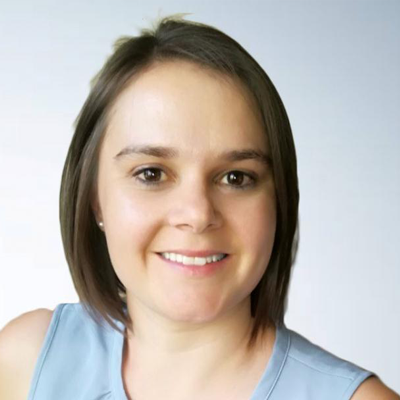
Prof. Ilse du Preez


