
With South Africa preparing for the 2026 local government elections, the role of the media in strengthening democracy and drawing in younger voters is under focus as analysts warn that low youth turnout remains a concern for the credibility of the electoral process.
Dr Musara Lubombo, deputy director of the School of Communication at the North-West University (NWU), says the media plays a central role in ensuring that citizens understand the importance of elections, especially in communities where access to information is limited. He says the responsibility of the media during an election year goes beyond reporting political campaigns.
“The media remain central to the functioning of democracy, particularly during election periods, as they provide the informational basis upon which citizens make political choices,” he says.
“During an election period, this means more than reporting campaign events but clearly explaining how local government works and how voting affects everyday issues such as water provision, electricity, housing and waste management.”
Youth participation remains one of the challenges facing the democratic process, with younger voters showing less interest in registering and voting compared to older generations. According to Dr Lubombo, this situation is linked to limited civic education and the perception that politics does not respond to the concerns of young people.
“Youth disengagement in South Africa is closely linked to limited exposure to meaningful civic education and a sense that formal politics does not respond to their concerns,” he says, adding that the media should present political information in ways that relate to issues affecting young people.
He says social media has become one of the main sources of political information for young voters, creating both opportunities and risks for democracy.
“On the positive side, these platforms allow faster dissemination of information and greater interaction, but misinformation spreads easily and content can be oversimplified. Media institutions must produce accurate and engaging content while maintaining credibility.”
Dr Lubombo adds that journalists have a responsibility to ensure that election coverage serves the public interest and helps build trust in democratic institutions.
“In a context where trust in institutions is fragile, consistent ethical reporting helps build confidence not only in the media but also in the electoral process itself,” he says.
Improving public understanding of elections, particularly among young voters, will depend on how effectively the media connects political processes to the daily lives of citizens, he concluded.
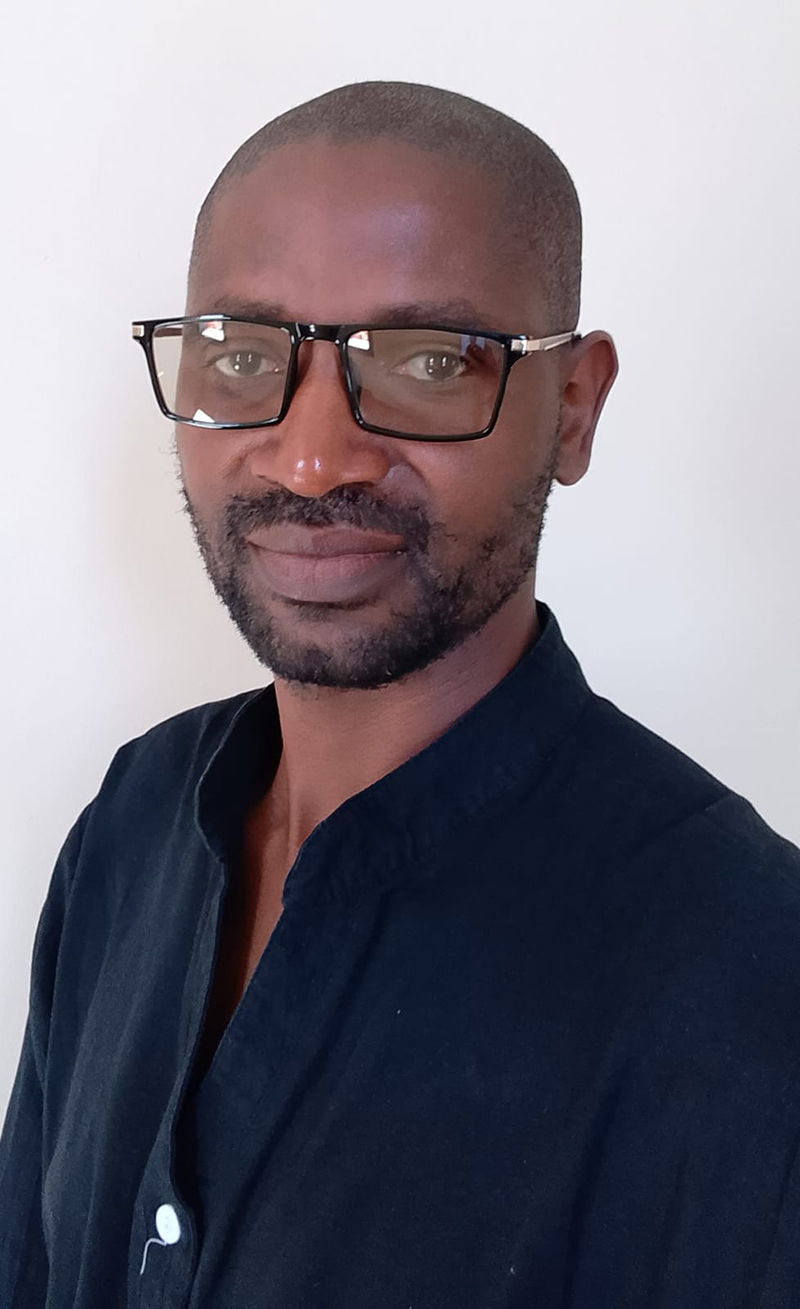
Dr Musara Lubombo


