
South Africa demands explanations for every interest rate decision, yet repeated failures in infrastructure and economic delivery rarely prompt comparable action.
Monetary policy cannot compensate indefinitely for institutions that identify their failures without resolving them.
On 19 November, the South African Reserve Bank kept the repo rate unchanged at 7.25%. Four members of the Monetary Policy Committee supported the decision, while three favoured an increase. The decision drew scrutiny in an economy where households face rising prices and businesses struggle to expand. Yet institutions responsible for creating the conditions for economic growth seldom face comparable pressure to explain persistent underperformance.
Consumer inflation reached 5.2% in October, while the Reserve Bank expects the economy to grow by approximately 1.2% this year. Fuel inflation reached 42.9%, with transport accounting for more than a third of headline inflation. Fixed investment stood at approximately 14% of GDP in 2025, less than half the 30% envisaged by the National Development Plan. These figures point to an economy facing rising costs without the expansion in productive capacity needed to withstand them.
Unchanged interest rates offer little immediate relief to households facing rising living costs. Higher prices erode purchasing power even when borrowing costs remain stable. A worker who depends on taxis has to pay more just to get to work. A small business transporting goods faces higher operating costs and has no guarantee that its customers can afford higher prices.
The Reserve Bank must prevent temporary price pressures from turning into persistent inflation. Interest rates influence borrowing, spending and inflation expectations, but they cannot directly reverse increases in international fuel prices or repair domestic infrastructure. The Bank must weigh the risk of persistent inflation against the cost of slowing an already weak economy.
South Africa remains exposed to international price shocks. Greater productive capacity and more reliable infrastructure would help it absorb them. Domestic institutional failures can amplify the effects of shocks that originate abroad.
Persistently weak investment reflects deeper constraints on economic growth. Weak demand, policy uncertainty and barriers to production discourage businesses from making long-term commitments. Lower interest rates may improve financing conditions, but investment still depends on expected returns and confidence in the economy’s prospects. A business considering a new factory must assess whether the electricity supply, transport infrastructure and regulatory environment will support production for years to come. Cheaper credit cannot compensate indefinitely for uncertainty about those conditions.
Sustained investment helps diversify the economy, create jobs and support stronger growth. The number of jobs created also depends on which sectors attract investment and which technologies they adopt.
South Africa’s economic weaknesses persist partly because reform requires political choices as well as technical solutions. Decisions about infrastructure investment, regulation and public spending affect established interests and redistribute opportunities. Some failures stem from financial constraints, administrative weaknesses or a shortage of technical expertise. Others persist because responsibility is fragmented and corrective action imposes immediate costs on those who benefit from existing arrangements.
Reforms can meet political resistance when they disrupt established interests, particularly when the benefits take years to materialise. This can make delay politically easier. The costs of delay are spread across society, making it harder to organise an effective response.
The government can defer infrastructure reforms. Workers still have to pay their taxi fares, and indebted households still have to meet their monthly repayments. People bear the costs of institutional underperformance even when responsibility for addressing it remains disputed.
The Reserve Bank operates under a defined mandate, communicates its decisions publicly and faces immediate scrutiny. Government departments, municipalities, regulators and state-owned enterprises are also subject to audits, legislative oversight and reporting requirements. These mechanisms identify underperformance. The weakness lies in how inconsistently documented failures lead to clear assignments of responsibility and corrective action.
An institution can meet its reporting requirements year after year while the economic consequences of its underperformance accumulate. Businesses weigh the risk of repeated institutional failures when deciding whether to invest.
The Reserve Bank publicly explains its monetary policy decisions at regular intervals. Failures in economic delivery, meanwhile, can persist despite extensive oversight. Public scrutiny and audits can expose problems. Whether those problems are resolved depends on what institutions do with the findings.
Meaningful economic accountability would connect evidence of underperformance to decisions that improve outcomes. Infrastructure performance should be assessed by whether projects are completed, assets function and services are reliable, with spending figures providing only part of the picture. Repeated failures should prompt changes in how projects are implemented, who is responsible and how resources are allocated.
Government decisions on investment, administered prices, borrowing and infrastructure maintenance shape the conditions in which monetary policy operates. Weak implementation can constrain growth and add to domestic cost pressures, leaving the Reserve Bank to manage the consequences of problems that fall partly outside its mandate.
The next interest rate announcement will bring another number, another vote and another explanation. The unfinished infrastructure projects, unrealised investments and repeated findings of institutional underperformance will remain scattered across reports and departments. The Reserve Bank will have accounted for its decision. Elsewhere in the economy, the evidence of failure may once again outlive the obligation to correct it.
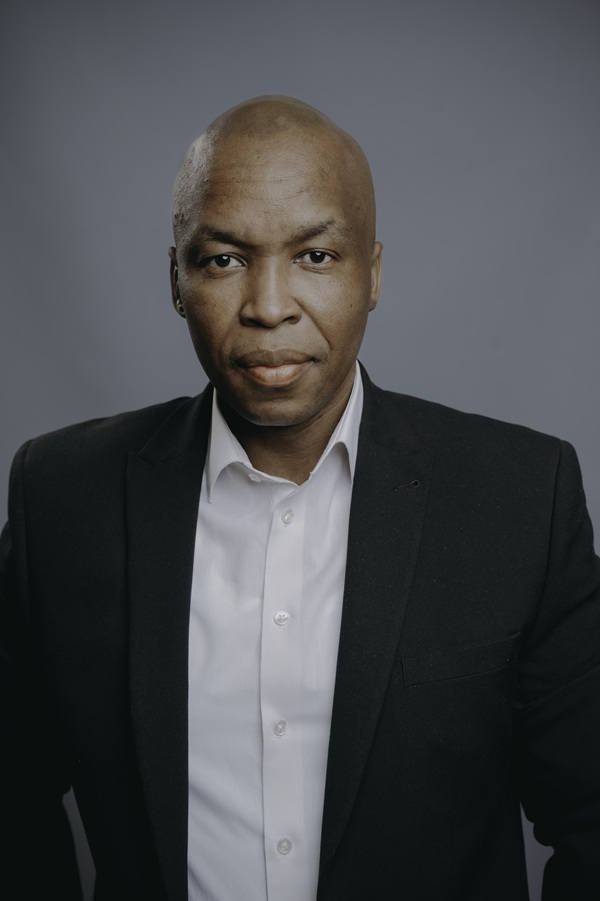
Prof. Joseph Sekhampu, chief director of the NWU Business School.


