
One of South Africa’s most regularly used historical archive collections has entered a new era of preservation and accessibility following the successful completion of a major digitisation project by the North-West University (NWU) and the Heritage Foundation (Erfenisstigting).
Jacoline Jansen van Vuuren, head of the NWU’s records, archives and museum, says the extensive Ossewabrandwag archive collection has now been fully digitised, ensuring that this significant documentary resource is preserved for future generations while becoming more accessible for research and heritage preservation.
The project stems from an agreement concluded between the NWU and the Heritage Foundation in 2013. In accordance with the agreement, the complete digital version of the archive has been donated to the Heritage Foundation to support research, preservation and the promotion of South Africa’s cultural and historical heritage.
The Ossewabrandwag, which translates to “Oxwagon Sentinel”, was an Afrikaner nationalist organisation founded in 1939 and at one stage had more than 350 000 members.
More than 400 pages digitised
While the digital collection is now officially in the possession of the Heritage Foundation, the original documents remain under the care of the NWU. This arrangement protects the physical records while making their contents more sustainably accessible to researchers.
According to Jacoline, the digitisation project was completed in two phases. The first phase covered 522 archive boxes containing 359 156 pages, while the second phase included a further 26 mixed archive boxes with 45 390 pages. This culminated in a total of 404 546 pages of historical material being digitised.
“For decades, the collection has attracted significant academic interest. During the past 25 years, it has formed the basis of numerous scholarly publications, historical studies and postgraduate research projects, including several master’s and doctoral dissertations. Researchers and students continue to make use of the archive for new academic work.”
Preserving the past for future generations
Dr Charl Blignaut, former senior lecturer in history at the NWU, says they decided to digitise the collection to reduce the risks associated with the ageing and deterioration of paper documents.
“The digitisation of the Ossewabrandwag archive is a significant contribution to the preservation of South Africa’s history. The sustainable digital format of these valuable documents ensures that researchers, academics and future generations will continue to have access to this important source.”
New English-language history coming
Jacoline says the archive remains one of the most frequently used historical collections at the NWU, attracting enquiries from local and international researchers alike.
“It currently supports a range of ongoing initiatives, including the development of a new English-language history of the Ossewabrandwag and collaborative projects with institutions such as the Military Academy in Saldanha.”
According to Dr Danie Langner, managing director of the Heritage Foundation, the transfer of the digital archive represents an important investment in preserving Afrikaner history. “Heritage lives not only in monuments and museums, but also in documents that tell the stories of people, communities and events,” he says.
“By preserving this archive digitally, we ensure that future generations will have direct access to the original sources to study their own history.”
Supporting more accurate research
Lizette Jansen, manager of the Heritage Foundation, says the importance of digitisation extends beyond preservation.
“Many people now use artificial intelligence for research, but the results are often incomplete or inaccurate when historical sources have not yet been digitised. The more historical sources are digitised, the more accurate and comprehensive online research becomes.”
The NWU and the Heritage Foundation have expressed their appreciation to the donors, heritage organisations, researchers and other stakeholders whose contributions made the preservation, digitisation and accessibility of the collection possible. The completion of the project highlights the value of collaboration between academic institutions and heritage organisations in safeguarding South Africa’s documentary heritage.
For more information, contact dupreez@kultuurtuiste.org.za.
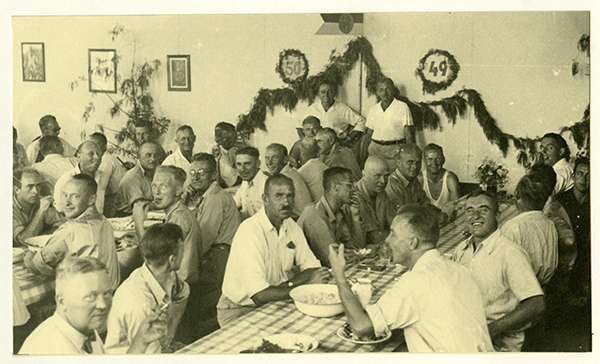
Members of the Ossewabrandwag in the Windhoek internment camp.
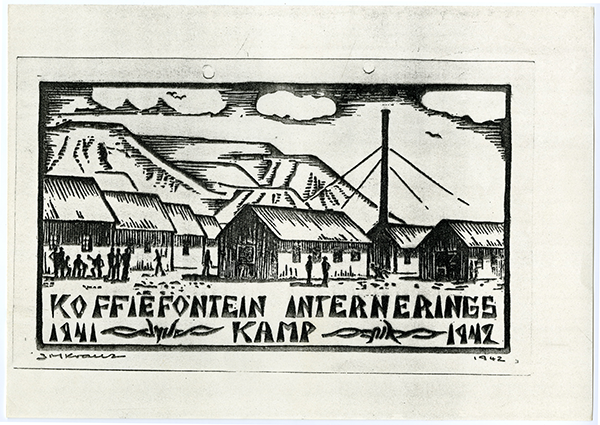
Sketch plan of the Koffiefontein internment camp in the Free State by GRJ. van Greunen.
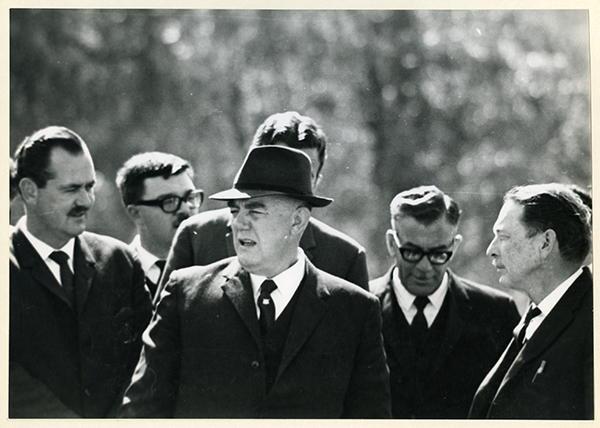
Prime Minister BJ Vorster during a later visit to Koffiefontein, where he had previously been interned.
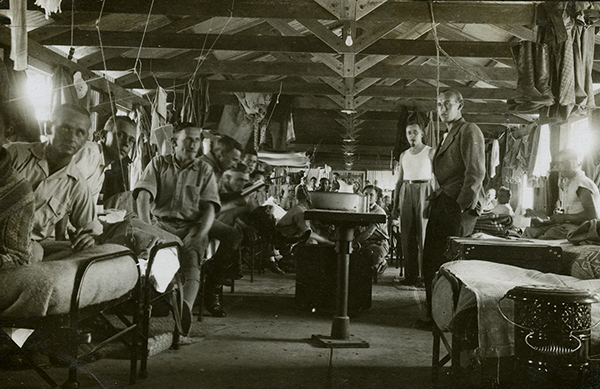
Members of the Ossewabrandwag in the Leeukop internment camp in Rivonia.
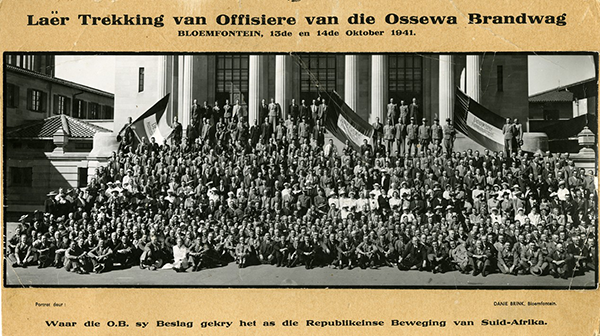
An Ossewabrandwag mass gathering in Bloemfontein on 13 and 14 October 1941.
All photos are from the Ossewabrandwag archives


