The spirit of International Women’s Day came alive at the Vanderbijlpark campus of the North-West University (NWU) on 26 March 2026, as leaders, scholars, and students gathered under the theme “Give to Gain: Advancing Rights, Justice, and Empowerment for Women and Girls in Africa: Gofa kego Atlega’’.
Anchored in the global call of “Rights. Justice. Action. for ALL Women and Girls,” the conference challenged participants to move beyond reflection towards meaningful, collective action.
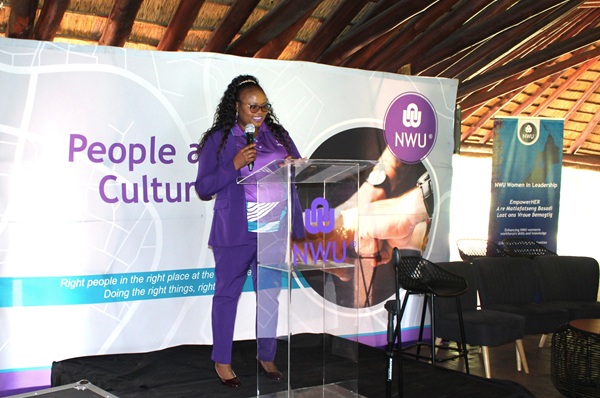
Setting the tone for the day was director for People and Culture Talent Management and Organisational Development, Helen Lekalakala who framed the theme through a message of unity and shared responsibility. Emphasising the principle that “we rise by lifting others,” she reminded attendees that empowerment is rooted in community. Through the Women in Leadership programme, she underlined the importance of creating safe spaces, mentoring, and coaching, encouraging participants to reflect on the value of what they have received and how they can pass it on. “Leadership is not about individual ascent, but collective progress,” she said.
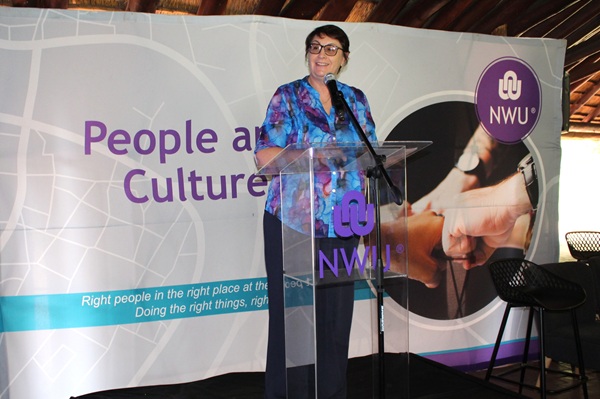
Welcoming delegates, Prof. Mirna Nel deputy dean: Humanities Research and Innovation deepened the conversation by exploring the meaning of giving. She moved beyond material interpretations, describing giving as an act of generosity that enriches both the giver and the receiver. Rooted in compassion, dignity, and kindness, she argued, true giving shapes one’s legacy and defines how we engage with others. Calling for a culture of empathy within institutions, she encouraged genuine human connection, reminding the audience that privilege carries a responsibility to give back intentionally and meaningfully.
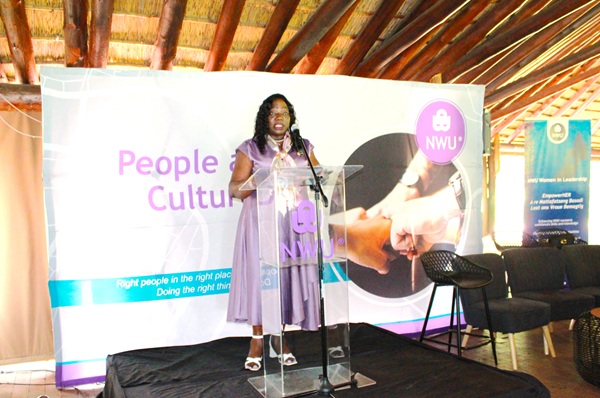
The formal opening by senior deputy vice-chancellor: Teaching and Learning Prof. Linda du Plessis brought a critical and reflective lens to the proceedings. Grounding her address in lived experience, she challenged the audience to look beyond policy frameworks and interrogate the realities of gender equality in everyday institutional life. “It is not about what is written in policy documents,” she noted, “but what we experience in meetings, workloads, and opportunities.” She questioned whether equality would still exist in the absence of formal policies, emphasising that transformation is not achieved through statements, but through consistent, daily action. Her call was clear: real change must be lived, practiced, and visible.
The keynote address by Prof. Olubukola Oluranti Babalola, professor and director: Food Security and Safety, combined urgency and inspiration. She opened by highlighting that empowerment is not a zero-sum game: “When we give through opportunity, access, policy reform, or inclusion; we do not lose power, we multiply it.” Empowerment, she argued, strengthens societies, economies, and futures when women are fully included.
Prof. Babalola emphasised that empowerment is a necessity, not charity, highlighting that women’s inclusion is essential for development rather than optional goodwill. She framed the principle of “give to gain,” showing that investing in women’s education, leadership, and rights generates broad societal benefits, from economic growth to innovation and stability. Addressing systemic inequality, she noted that structural barriers such as limited land access, exclusion from leadership, and policy gaps require intentional corrective action. Key to her message was agency and preparedness, encouraging women to actively claim space, speak up, and contribute meaningfully to decision-making environments. Grounding her argument in the African context, she underscored that while women are critical to the continent’s economies, they remain marginalized, making their empowerment essential for Africa’s future.
Prof. Babalola stressed universities’ role in driving change. “Institutions like NWU must move beyond studying inequality to actively dismantling it, embedding inclusivity across teaching, research, and community engagement. By fully integrating women into every stage of the academic value chain, universities ensure that empowerment is structural, not symbolic, and produce evidence-based research to inform national and continental policy.”
She also pointed to individual responsibility: “Women should enter leadership spaces confident, prepared, and ready to contribute, while institutions must create environments where their contributions are valued. Structural reforms, such as access to finance and recognition of unpaid care work, are critical to unlocking women’s full participation and advancing collective progress,” she said.
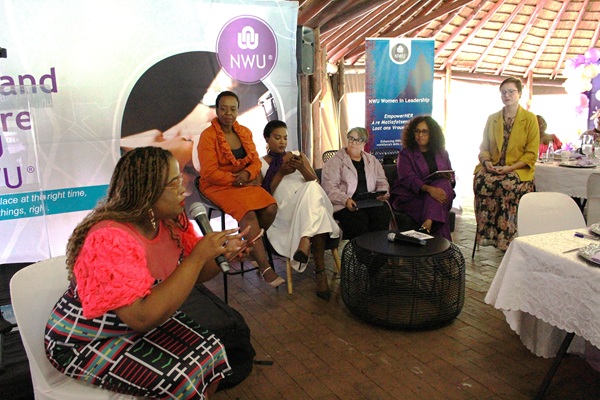
Adding an important dimension to the programme was two dynamic panel discussions with NWU Women in Leadership ambassadors hosted by director of Language Directorate Dr Keaobaka Seshoka. These sessions created space for honest dialogue, allowing the ambassadors to share their personal journeys, the challenges they have faced, and the resilience that has enabled them to rise. Their stories highlighted how barriers can be navigated and overcome, offering practical insight and inspiration to others on similar paths.
As the conference concluded, one question resonated throughout the discussions: What will we give to advance gender equality? The answers, shaped by dialogue and shared commitment, pointed to mentorship, collaboration, policy reform, and intentional action. When women rise, communities rise.