
South Africa has trained 3 277 doctors in Cuba, but at a current cost of around R1.62 million per student, Prof. Bismark Tyobeka asks whether a programme created 30 years ago still serves the country's needs.
Food and water shortages, overcrowded accommodation and psychological strain: Prof. Tyobeka questions the conditions in which some of South Africa's future doctors are being trained in Cuba.
South Africa had eight medical schools when the Cuba programme began. It is heading towards 11. Does a solution created three decades ago still fits today's reality?
South Africa desperately needs more doctors, but are billions of rands being invested in the right place? Prof. Tyobeka makes the case for bringing the training of our future doctors closer to home.
With just 0.37 public-sector doctors per 1 000 people, South Africa urgently needs medical expertise. The question is not whether we need more doctors, but where and how we should train them.
By Prof. Bismark Tyobeka, principal and vice-chancellor of the North-West University (NWU).
There are young South Africans – doctors in training – living in deplorable circumstances thousands of kilometres away in Cuba. In a few years, they will have the lives of their countrymen here in their hands.
When I read a recent report about the living conditions they are subjected to in Cuba as part of the Nelson Mandela–Fidel Castro Medical Training Programme, my emotions fluctuated between fury and sadness. They reportedly have to endure overcrowded and unsanitary accommodation, food and water shortages, inadequate payments and considerable psychological strain. In response, the Department of Health acknowledged that it had not conducted an oversight visit to assess students' living conditions since 2022, citing financial pressures and austerity measures.
My understanding is that South Africa has trained 3 277 doctors through the Nelson Mandela–Fidel Castro programme to date. For that, we are paying millions of rands. The current all-inclusive cost in Cuba is R185 300 per student per year – approximately R1.12 million over six years. But the cost does not end there. Returning students undergo a further 18 months of clinical integration training in South Africa, currently costing approximately R500 000 per student. This brings the combined cost to around R1.62 million for each student. Given the scale and longevity of the programme, the cumulative investment over its three decades would conservatively run into several billion rand.
The sanctions imposed by the US on Cuba undoubtedly add to the strain faced by our students, and we need to be honest enough both to condemn the harshness of these sanctions and to ask whether South Africa still needs to train doctors in Cuba. Yes, we have to acknowledge the programme's historical contribution to our medical sector since its inception in 1996, with the first South African students participating in 1997. But since then, our country has established an additional two medical schools, with the North-West University's Desmond Tutu School of Medicine set to become the third in 2028, bringing the total number of medical schools in the country to 11.
Would the funds being spent on training our students in Cuba not be better invested in local medical schools and academic hospitals? Our national medical landscape – both in need and capacity – has changed substantially over the past 30 years.
South Africa has a dire shortage of medical doctors, according to World Health Organisation (WHO) guidelines, and this shortage can have catastrophic consequences for the country's healthcare and economic sectors, which are already under severe strain. In the public sector, South Africa has 0.37 doctors per 1 000 people, in stark contrast to the WHO's minimum recommendation of one doctor per 1 000 people. Yet, as our population continues to grow and lifestyle diseases continue to increase at alarming rates, we still resist giving our aspiring doctors the training and support they need to deal with our unique circumstances.
Let's ask another question. How can we continue to justify sending students for medical training to a country where their training is not fit for purpose for South Africa's medical needs? When they return to South Africa, they need to be taught what could have formed part of their training from the start.
Our NWU Desmond Tutu School of Medicine recently received official accreditation for its Bachelor of Medicine and Bachelor of Surgery (MBChB) programme from the Higher Education Quality Committee (HEQC) of the Council on Higher Education (CHE). We achieved this because our programme caters to the specific needs of our province and our country.
I am also not advocating that the training of South Africa's medical students should be confined to our borders. On the contrary, that would be severely short-sighted. International expertise is invaluable. South African medical students should be exposed to the best medical institutions, specialists, research and healthcare systems the world has to offer. But international exposure need not mean outsourcing an entire medical degree. Exchange programmes, clinical electives, research collaborations and specialist training can provide international experience while the core medical qualification is completed in South Africa. We need that balance. However, Cuba is not the answer.
That a programme was once needed and successful does not mean that ending it would make it a failure. I, like many others, am advocating for a new approach – one suited to our current needs, not those of decades past. We cannot afford not to develop expertise that will benefit our country. We cannot allow our medical sector to resemble our country's failing industries, which demand more from taxpayers than they supply. We cannot be afraid to say this. We are participants in this democracy, not its puppets.
Let's cut the strings. Let's give our aspiring doctors what they need. Let's give them a home.
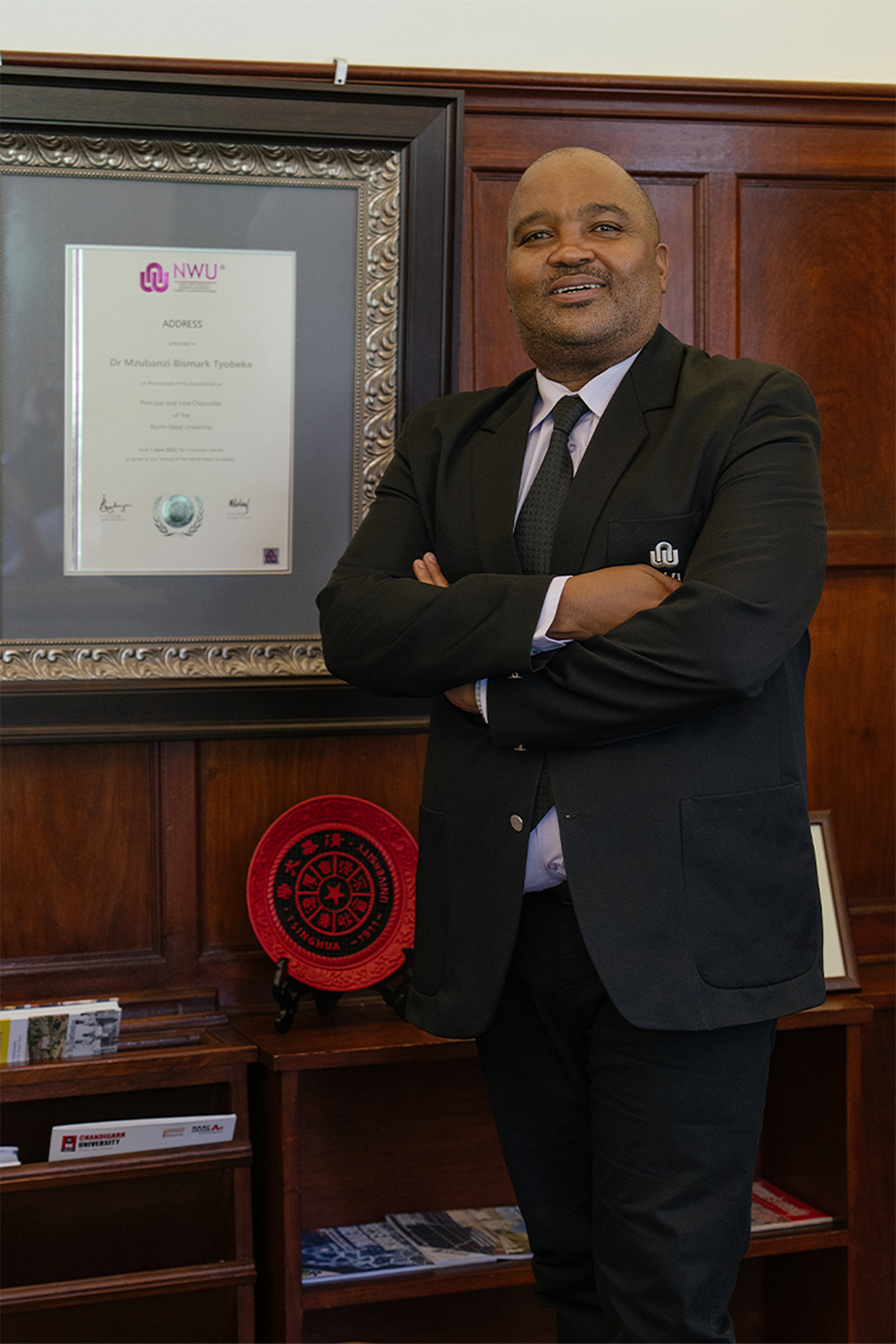
Prof. Bismark Tyobeka


