
There is a particular kind of exhaustion that comes from being repeatedly told to be more careful. Be more vigilant. Don’t walk alone. Don’t run alone. Avoid isolated places. Tell someone where you are going. Keep your phone with you. Dress modestly – I am not quite sure how a 6-month-old baby in diapers can do this – yet they can be violated in this country!
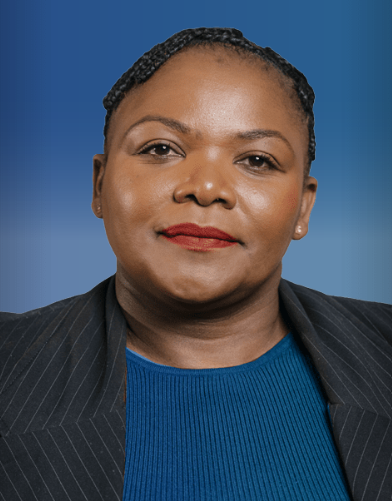
Amanda Gxwala
Director: NWU Internal Audit
By Amanda Gxwala
We know, we have been taught from childhood how to do these risk assessments. We know to check the back seat of a car, share our location, avoid eye contact, give out cell-phone numbers to avoid further harassment, hold our keys between our fingers, call someone while walking to our vehicles and think twice before taking a perfectly ordinary route home. We know how to be vigilant in the presence of a certain uncle! We know!
And yet, women continue to be murdered.
The situation in and around Kempton Park has now become even more disturbing. On Monday, 14 September 2026, the body of a fifth woman was discovered near Olifantsfontein, after four female bodies had been found in the wider Kempton Park/Rhodesfield area over a period of approximately two months. Police have identified concerning similarities between the cases, although they have cautioned that it is too early to confirm that the deaths are connected or that a serial killer is responsible.
The latest discovery has prompted the SAPS to establish a dedicated multidisciplinary task team, drawing on specialised detectives, forensic expertise, intelligence resources and the Investigative Psychology Unit. Maximum police resources have reportedly been committed to the investigation. This is important, even necessary. But why did it take five bodies for this level of urgency to become visible?
What does safety look like before another body is found? This is the part of the conversation that really concerns me. Following the earlier media briefing by the acting Gauteng provincial commissioner, much of the public-facing advice to women was, yet again, about changing our behaviour: do not walk or run alone, avoid secluded areas, exercise in groups, tell someone where you are going and remain vigilant.
While there is inherently nothing wrong with sensible personal-safety advice, it cannot be the beginning, middle and end of our response to violence against women. Telling women to be safer is not a safety strategy!
What I long to hear alongside those warnings is about additional patrols, resources deployed in identified hotspots, non-functioning streetlights being repaired, surveillance and CCTV capacity being enhanced AND actively monitored. We would like to hear about measurable, tangible changes on the ground this week, not after the next victim is found.
We also need to acknowledge the human beings behind these statistics. Behind every “body found” headline is a daughter, mother, sister, partner, friend, colleague and community member. A woman who had dreams and aspirations like all of us.
So yes, tell women to take precautions, but tell us something else too. Tell us what you are doing. Tell us what has changed. Tell us where the additional resources are. Tell us what the data is showing. Tell us what success will look like.
And tell us how you intend to ensure that the next media briefing is not about another woman whose body has been found. Because women should not have to progressively shrink their lives to accommodate the failures of public safety systems.
At some point, the question cannot keep being, “What could she have done differently?” It has to become, “What are YOU doing differently to stop this from happening again?”
Because we should not have to live like prisoners in order for criminals to be given free rein. Hay’bo!! Enough with telling women how to survive. Start telling us what you are doing to make it possible for us to live.


