
The North-West University’s (NWU’s) Mahikeng Campus reaffirmed its commitment to promoting mental wellness and healthy lifestyles when it hosted a Men's Health Event on Saturday, 27 June 2026.
The event brought together staff and stakeholders under the theme of encouraging men to prioritise their physical and mental well-being while breaking the stigma surrounding men's mental health.
The programme began with a refreshing wellness walk around the Mahikeng Campus, where participants gathered at 07:00 to highlight the importance of physical activity as an essential component of overall mental health. The walk was followed by an energising warm-up exercise session facilitated by the Sports Department of the university, promoting healthy living, teamwork and camaraderie among participants before they enjoyed a networking breakfast.
The formal programme, expertly directed by Omphemetse Seleka, commenced with a warm welcome from the campus chief director, Jim Molautsi, who emphasised the importance of creating safe spaces where men can openly discuss challenges affecting their mental and emotional well-being.
“Our health is our greatest asset,” Jim said. “As a university, we have a responsibility to create an environment where our staff and students feel supported, encouraged and empowered to seek help whenever they need it. Looking after our mental health is just as important as looking after our physical health.”
The keynote address was delivered by Paseka Percy Sonday, mental health coordinator at Bophelong Hospital, who painted a sobering picture of the current state of men's mental health in South Africa.
Drawing from his professional experience, Sonday revealed that more men than women are admitted to the mental health wards where he works, often because they delay seeking professional help until their conditions have significantly deteriorated.
“One of the biggest challenges we face is that many men suffer in silence,” he said. “By the time they reach our facilities, they are often in crisis. We need to change the narrative and encourage men to seek help earlier because asking for support is a sign of strength, not weakness.”
He encouraged participants to check in on one another regularly and reminded them that emotional well-being deserves the same attention as physical health.
The second presentation was delivered by Donald Molema, a social worker at Student Counselling and Development at the NWU, who focused on the importance of emotional intelligence, vulnerability and breaking long-held stereotypes about masculinity.
“For generations, many men have been taught to suppress their emotions,” Donald said. "But being emotionally honest does not make you less of a man. Men are allowed to cry, to express emotions and to seek counselling when life becomes overwhelming. Those are healthy responses that contribute to resilience and healing.”
His presentation sparked meaningful engagement among participants, with many agreeing that society needs to create environments where men feel comfortable speaking openly about their struggles without fear of judgement.
The interactive discussion session that followed provided an opportunity for participants to share personal experiences, ask questions and reflect on practical ways of promoting mental wellness within their families, workplaces and communities. A recurring message throughout the discussions was that vulnerability should be viewed as courage rather than weakness.
Delivering the vote of thanks, Oscar Mosiane, corporate communication manager at the NWU, thanked the speakers, organisers and participants for contributing to a meaningful conversation that has the potential to save lives.
“The event today reminds us that conversations about men's mental health cannot be limited to one day on the calendar,” he said. “We all have a role to play in creating a culture where men feel supported, valued and encouraged to seek help when they need it. Together, we can break the silence and build healthier communities.”
The Men's Health event formed part of the ongoing commitment of the university to promoting holistic wellness among staff and students by recognising that mental, emotional and physical health are inseparable. As participants departed following the networking session, the message was clear: real strength lies not in suffering alone, but in having the courage to speak, to seek help and to support others.
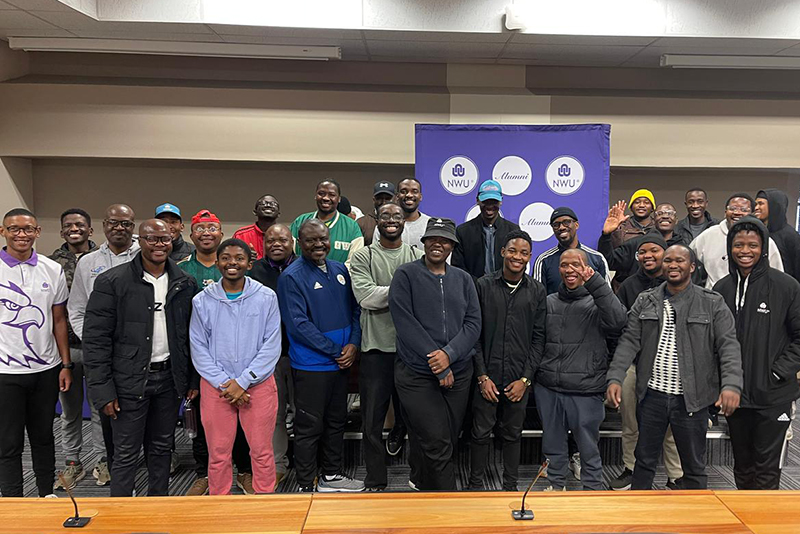
Staff and stakeholders came together, encouraging men to prioritise their physical and mental well-being.


