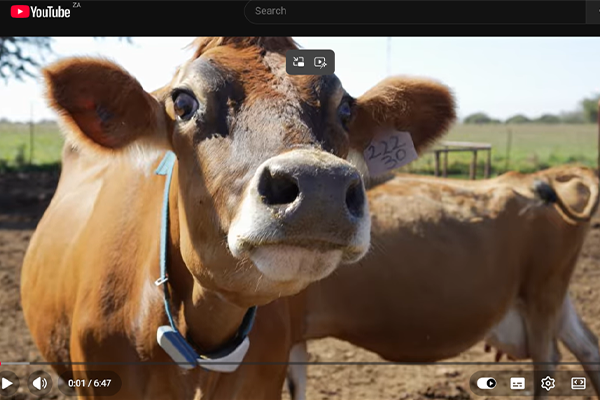
For many farmers and animal owners in the North West Province, access to animal healthcare can determine the health of their livestock, household income and food security. At the North-West University (NWU), the Dale Bieghle Animal Health Centre has become a link between academic training and community service, providing animal healthcare while preparing graduates to serve South Africa's agricultural sector.
Located on the Mahikeng Campus, the centre provides vaccinations, surgeries, diagnostic services, disease prevention programmes and animal health outreach to surrounding communities. It also serves as a practical training facility where animal health students gain experience before entering the workplace.
Prof. Simon Letsoalo, director of the School of Agricultural Sciences, says these services have made the Dale Bieghle Animal Health Centre a strategic community resource. “It strengthens livestock productivity, improves companion animal welfare, enhances public health and supports sustainable agricultural development across the North West Province."
Reducing disease outbreaks
The centre provides primary animal healthcare to communities that have limited access to veterinary services. Beyond treating livestock and companion animals, its work includes disease surveillance, vaccination campaigns, parasite control, reproductive support, nutrition guidance and biosecurity advice for farmers. These services help reduce disease outbreaks while supporting livestock production and rural livelihoods.
Its work also contributes to public health by monitoring diseases that can spread between animals and people such as rabies and ringworm. According to Prof. Letsoalo, this supports the One Health approach, which recognises the connection between animal, human and environmental health.
"Healthy livestock translate directly into improved household income, food security and rural livelihoods, making the centre an important contributor to agricultural development in the province," he says.
The centre also plays a leading role in training animal health technicians. Students receive practical exposure through clinical diagnosis, surgery, laboratory diagnostics, farm consultations, disease investigations and community outreach. The experience prepares graduates to work in government veterinary services, research institutions, the livestock industry and private practice after graduation.
Graduates ready for the work environment
Prof. Letsoalo says this practical training responds to South Africa's need for skilled animal health professionals, particularly in rural and agricultural communities.
"Students graduate work-ready because they have already gained practical experience in diagnosing diseases, handling animals, conducting farm visits and working directly with livestock owners. This strengthens veterinary capacity while improving services available to communities," he says.
Community engagement remains part of the centre's work. Staff and students participate in vaccination campaigns, deworming programmes, sterilisation initiatives, animal welfare awareness campaigns and farmer education workshops. These activities extend services beyond the university campus while strengthening relationships with surrounding communities.
Looking ahead, the university plans to strengthen animal health sciences through expanded clinical services, research and community engagement. The long-term vision includes establishing a fully accredited School of Veterinary Sciences that will contribute to South Africa's animal health, food security and One Health priorities.
"Our vision is to establish Africa's leading centre of excellence in animal health sciences through innovative education, research, advanced clinical services and community engagement, while working towards the establishment of a School of Veterinary Sciences," says Prof. Letsoalo.
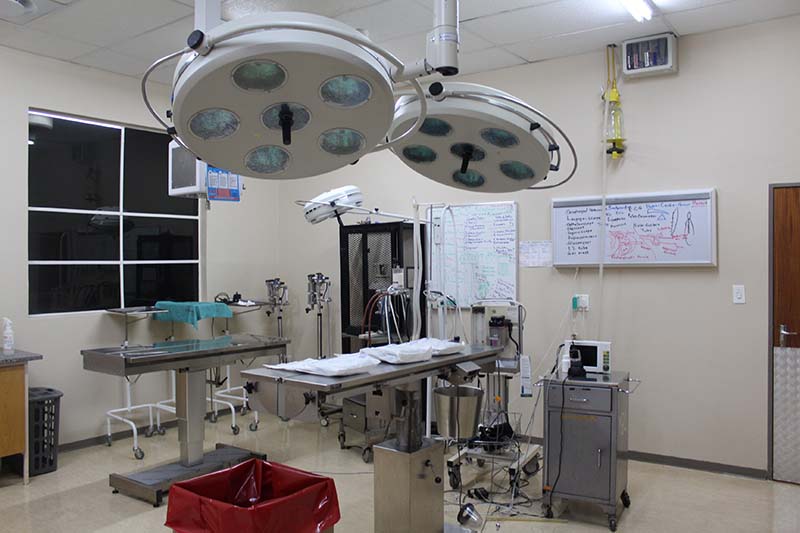
The NWU's Dale Beighle Animal Health Centre features modern facilities that support animal healthcare practical student training and veterinary services for surrounding communities.