
African knowledge systems, cultural beliefs and traditional healing practices should play a greater role in shaping psychological services in South Africa. This was the key message delivered during African Perspective Day, hosted by the North-West University’s (NWU’s) subject group Psychology at the Mahikeng Campus on 28 October 2026.
The event brought together academics, psychologists, traditional healers and students to explore how African worldviews can improve mental health care. Speakers called for an approach that respects cultural identity while maintaining professional ethics and evidence-based treatment. The event also highlighted the need to recognise African knowledge systems that have long received less attention than Western approaches in psychology.
Nikiwe Kwaeng said the event aimed to deepen understanding of how cultural, social and lived experiences shape mental health and healing. Drawing on her 11 years of working with African communities, she stressed that psychologists must understand the beliefs and values of the people they serve. She encouraged mental health professionals to approach different worldviews with curiosity and humility rather than judging them as right or wrong.
Nikiwe explained that clinical skills alone cannot meet every patient's needs. Practitioners must also understand the cultural context in which people experience distress and seek healing.
Bridging African knowledge and clinical practice
Prof. Ushotanefe Useh called on healthcare professionals to recognise the value of indigenous African knowledge when treating patients. He described a traditional practice involving the observation of bone healing in chickens and compared its underlying principle with modern medical methods that monitor bone repair. Prof. Useh urged clinicians to move beyond relying solely on Western knowledge and consider approaches that reflect African realities.
He also stressed the importance of understanding patients' religious, cultural and social backgrounds, particularly when treating people from different communities.
Vukile Ncango, a community service psychologist, focused on gaps in clinical psychology training. He said that while universities teach assessment, diagnosis, intervention and ethics, they often give less attention to spirituality, ancestry and cultural identity. He argued that psychologists should work with patients rather than assume they have all the answers. Vukile also highlighted the importance of language in therapy, greeting patients in their home language can build trust and create a sense of belonging.
However, he cautioned that speaking a language does not always mean understanding its cultural meaning. He encouraged universities to strengthen multilingual training and prepare students to work with diverse communities.
Traditional healing and personal identity
Kentse Mabale shared her journey as a traditional healer and discussed how ancestral beliefs influence her understanding of identity and well-being. She described recurring dreams, spiritual experiences and family traditions that shaped her calling. Her presentation highlighted how spiritual beliefs can shape the way individuals understand their experiences and seek support.
Matwetwe Kgobokoe explored the relationship between traditional African healing and modern psychology. He described healing as a process that may involve families and communities rather than individuals alone.
Matwetwe used the human body as a factory metaphor to explain the relationship between physical health, mental well-being and emotional experiences. He also discussed the importance of understanding trauma, cultural practices and traditional initiation experiences when supporting patients. He further encouraged psychologists to ask questions that help patients explore their experiences and identify possible solutions.
Finding balance between psychology and spirituality
Dr Victoria Segami shared her personal journey of balancing her career as a registered psychologist with her calling as a traditional healer and bishop. She explained that she eventually embraced both aspects of her identity. She now offers psychological services and separate spiritual consultations through her private practice. Her story illustrated the personal challenges that can arise when professional training and cultural beliefs meet.
Promoting inclusive psychological education
African Perspective Day reinforced the importance of including African philosophies, indigenous knowledge and community experiences in psychological teaching and research.
The discussions also highlighted ubuntu, which promotes humanity, mutual respect and community support, as a valuable principle in understanding well-being. Speakers stressed that culturally responsive care must respect patients' rights, beliefs and choices, while maintaining ethical and professional standards.
The event supported the commitment of the NWU to transformation and African-centred education by encouraging students and academics to question assumptions and recognise diverse sources of knowledge. It also challenged future psychologists to develop practices that respond to the lived experiences of South African communities.
The central message was that effective mental health care requires more than clinical knowledge. It also requires respect, cultural understanding and meaningful engagement with the communities that psychologists serve.
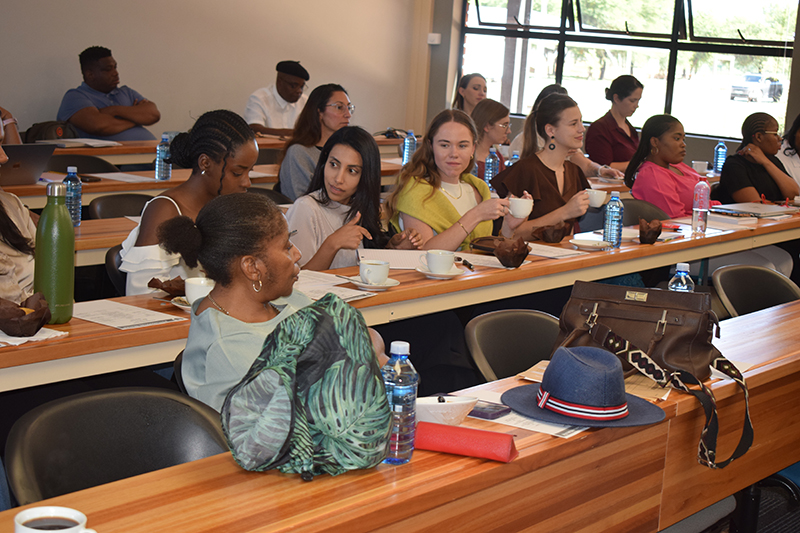
Speakers, academics, traditional healing practitioners and students gathered at the Mahikeng Campus of the NWU for African Perspective Day.


