
Africa does not have to look beyond its borders for every answer to its health challenges. Much of the knowledge, expertise and data needed to find solutions already exist on the continent.
That is the message from North-West University (NWU) physiology professor Lebo Gafane-Matemane, who says Africa's diversity, research expertise and young scholars give the continent a strong base from which to improve health outcomes.
“We come from a place of plenty. We are the question and the answer,” says Prof. Gafane-Matemane, a member of the Hypertension in Africa Research Team (HART) and the Medical Research Council Research Unit for Hypertension and Cardiovascular Disease at the NWU.
She says Africa’s diverse populations generate rich health data that can support research both on the continent and globally. For example, data on cardiovascular disease, hypertension, diabetes, infectious diseases and genetic variation across different African populations can help researchers better understand how diseases develop, identify risk factors and design treatments or prevention strategies that are more responsive to diverse populations.
“We are also a continent with a vast wealth of intellectuals, especially young scholars and changemakers who are eager to use limited resources to make a lasting societal impact.”
She says African researchers have already made important contributions to global health, including research that has strengthened the understanding and treatment of HIV/AIDS, tuberculosis and malaria, as well as studies on cardiovascular and other non-communicable diseases. These contributions span disciplines such as epidemiology, public health, infectious diseases, cardiology and biomedical research. However, funding pressures and changes in global health financing remain major challenges.
These constraints, she argues, should not determine the continent's ability to produce research that improves people's lives. Stronger partnerships, knowledge exchange, mentoring and resource sharing can help African researchers achieve greater impact.
One area where such work is urgently needed is cardiovascular health.
Prof. Gafane-Matemane says hypertension remains a major concern because poor blood pressure control contributes to cardiovascular disease. Along with type 2 diabetes, it also plays a role in the rising burden of chronic kidney disease.
Filling gaps in early detection
“The biggest gap is with the development and implementation of contextualised interventions and guidelines to improve early detection,” she says.
She adds that these approaches should help identify people at high risk earlier and improve disease control across communities Existing African data on disease patterns, cardiovascular risk factors, infectious diseases, mortality, treatment outcomes and population health trends could also be shared more effectively to close evidence gaps and guide interventions that respond to local health needs.
For Prof. Gafane-Matemane, however, African-led research must also address how partnerships are structured.
She says equity should guide funding, authorship, data sharing, research leadership and decisions about who sets research priorities.
“We need to ask ourselves: is data sovereignty accounted for and are we genuinely giving back to those who generated the data? Who stands to benefit more?”
These questions apply not only to partnerships between institutions in Africa and the Global North, she says, but also to collaborations between African institutions.
Build partnerships with communities
Communities should also have a stronger voice in research. Prof. Gafane-Matemane says researchers need to involve communities throughout the research process and recognise the value of indigenous knowledge systems.
She believes principles such as Ubuntu can help researchers build partnerships based on shared responsibility, respect and local knowledge.
“It is in these very communities where the answers to the most pressing global health challenges are and have always been,” she says.
Equitable partnerships are no longer optional for Africa's health research system, but essential if research is to move beyond producing data and instead translate knowledge into lasting improvements in people's health.
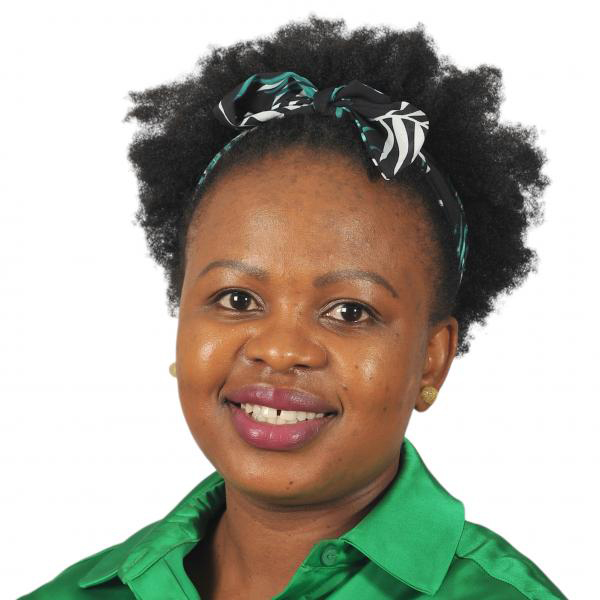
Photo: Prof. Lebo Gafane-Matemane.


